
On this page
Concrete repair in Fort Lauderdale, done the right way
Fort Lauderdale Concrete Repair fixes cracked, sunken, flaking and worn concrete at homes in Fort Lauderdale, FL and nearby towns. Every repair starts with one question: why did this slab fail? A crack, a sunken corner and a flaking edge each have a different cause. Fill the crack without fixing the cause and it comes back. We find the reason first, then recommend the smallest repair that will last, and we put it in writing.
Most concrete can be saved. Cracks can be opened and filled. Worn surfaces can be covered with a new layer. Flaking edges can be cut back and rebuilt. Only concrete that is sinking, rocking or crumbling all the way through needs to come out, and even then it is often just a section or two.
What are the signs your concrete needs repair?
Your concrete needs attention when it starts letting water in or becomes unsafe to walk or drive on. Look for these:
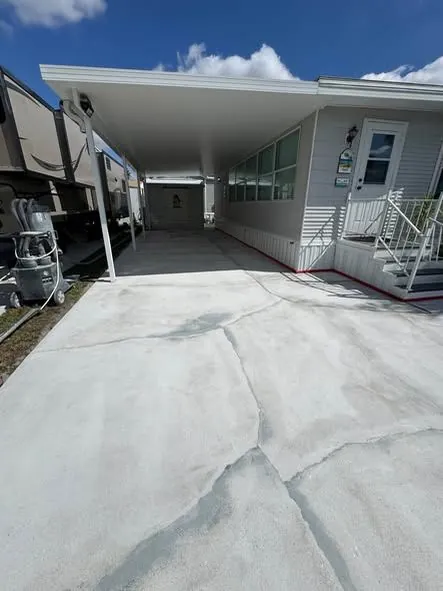
- Cracks wide enough to slide a credit card into, or cracks that keep growing
- One side of a crack sitting higher than the other
- A corner or section that has dropped
- A surface that is flaking, pitting or turning to grit
- Rust stains coming through the concrete
- Water that pools on the slab after rain
- A lip on a walk or step that catches your foot
Small problems are cheap to fix. The same problems two rainy seasons later usually are not.
Why does concrete fail in Fort Lauderdale?
Concrete in Fort Lauderdale fails for five main reasons: salt air, heavy rain, sandy soil over a high water table, year-round sun and tree roots. Freezing is not one of them.
- Salt air. Salt from the ocean and the Intracoastal settles on surfaces near the coast. It soaks into concrete with moisture and rusts the steel inside, which is what makes concrete flake and break apart near the water.
- Rain. The city gets around five feet of rain a year, most of it in hard summer downpours. Water that gets into cracks washes sand out from under slabs.
- Sandy soil and a high water table. Much of the city is built on sand and fill over limestone, only a few feet above sea level. Slabs settle when that sand moves, and low lots near the canals can flood during the fall king tides.
- Sun. Year-round UV wears down surfaces and fades color and sealers.
- Roots. Ficus, banyan and oak roots lift driveways and sidewalks all over the older neighborhoods.
Repair, resurface or replace?
This is the choice most homeowners face, and it comes down to the slab underneath.
- Repair when the damage is in a few places and the rest of the slab is solid.
- Resurface when the slab is solid but the whole surface is worn, stained or patched.
- Replace when the concrete is sinking, rocking or broken through. Often that is only part of the slab.
Many jobs mix all three: replace one bad section, repair the cracks in the rest, then resurface everything so it matches. Our concrete repair cost guide explains how each choice affects the price.
Our concrete repair services
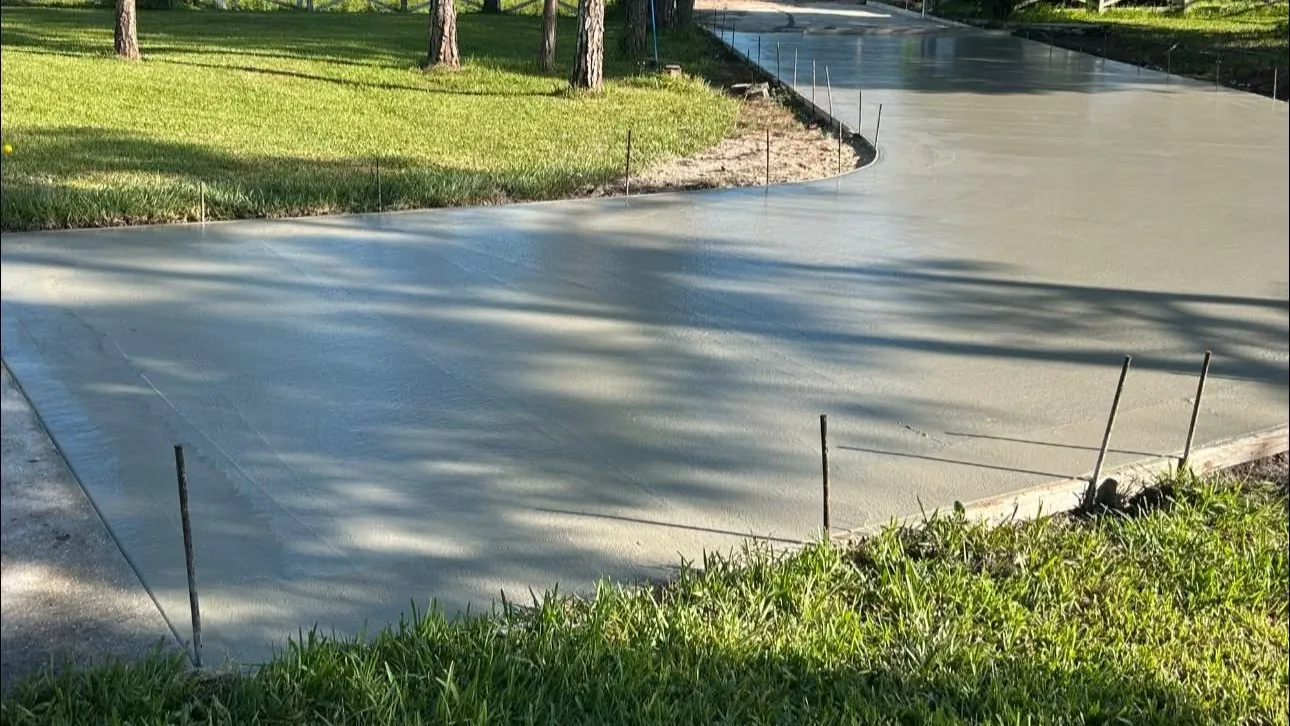
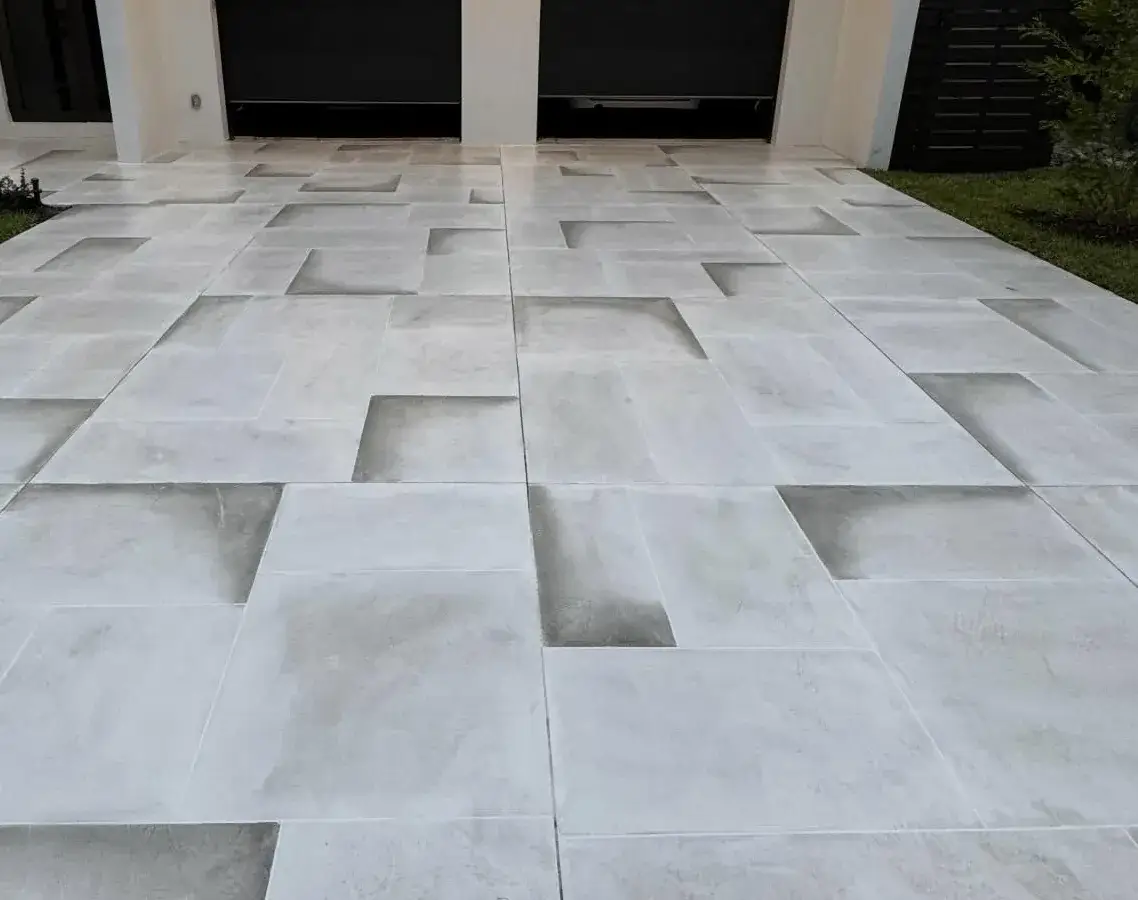
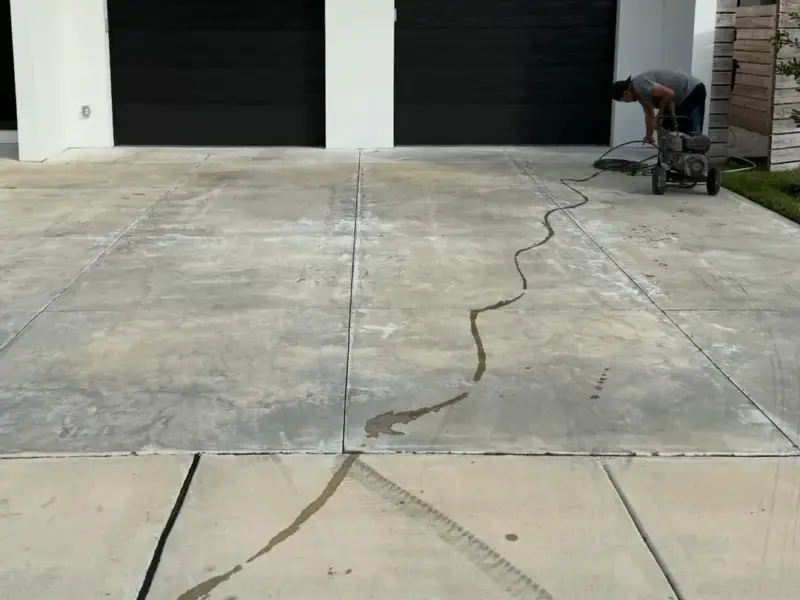
Driveways. Cracks, broken aprons, sunken corners and worn surfaces. We patch, resurface and replace sections so the driveway is safe and looks cared for.
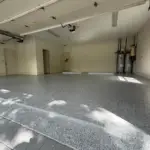
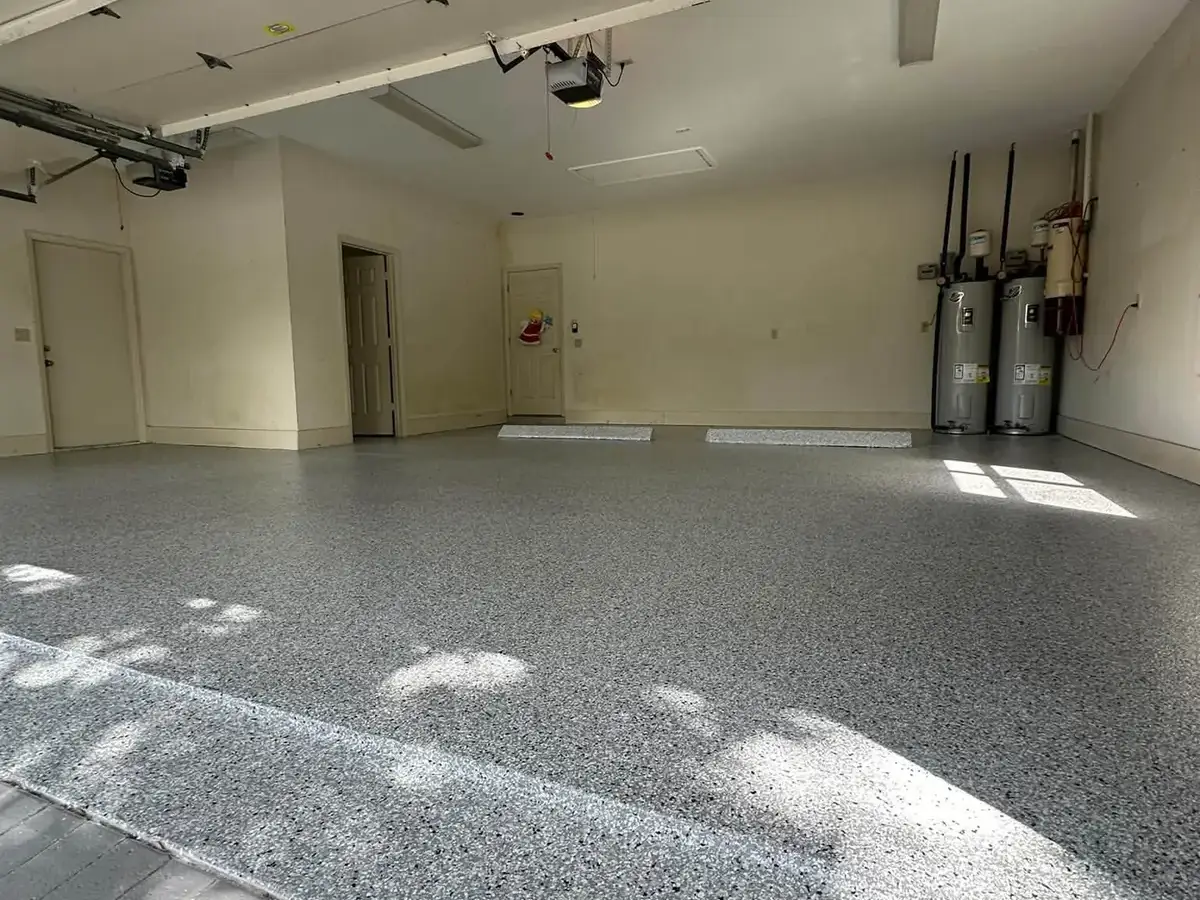
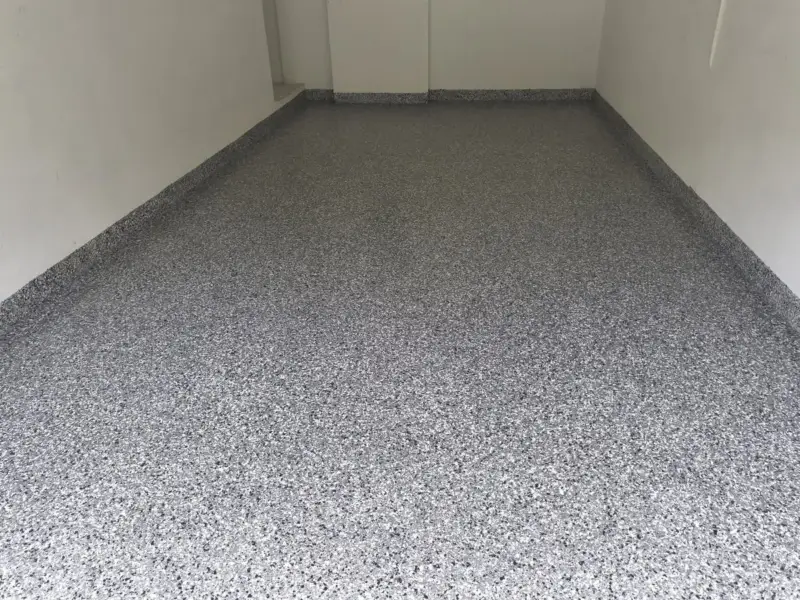
Garage floors. We repair the slab, grind it and install flake or metallic floor coatings that resist oil, hot tires and humidity.
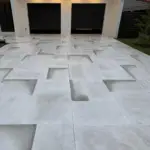
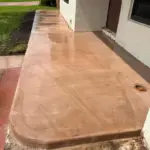
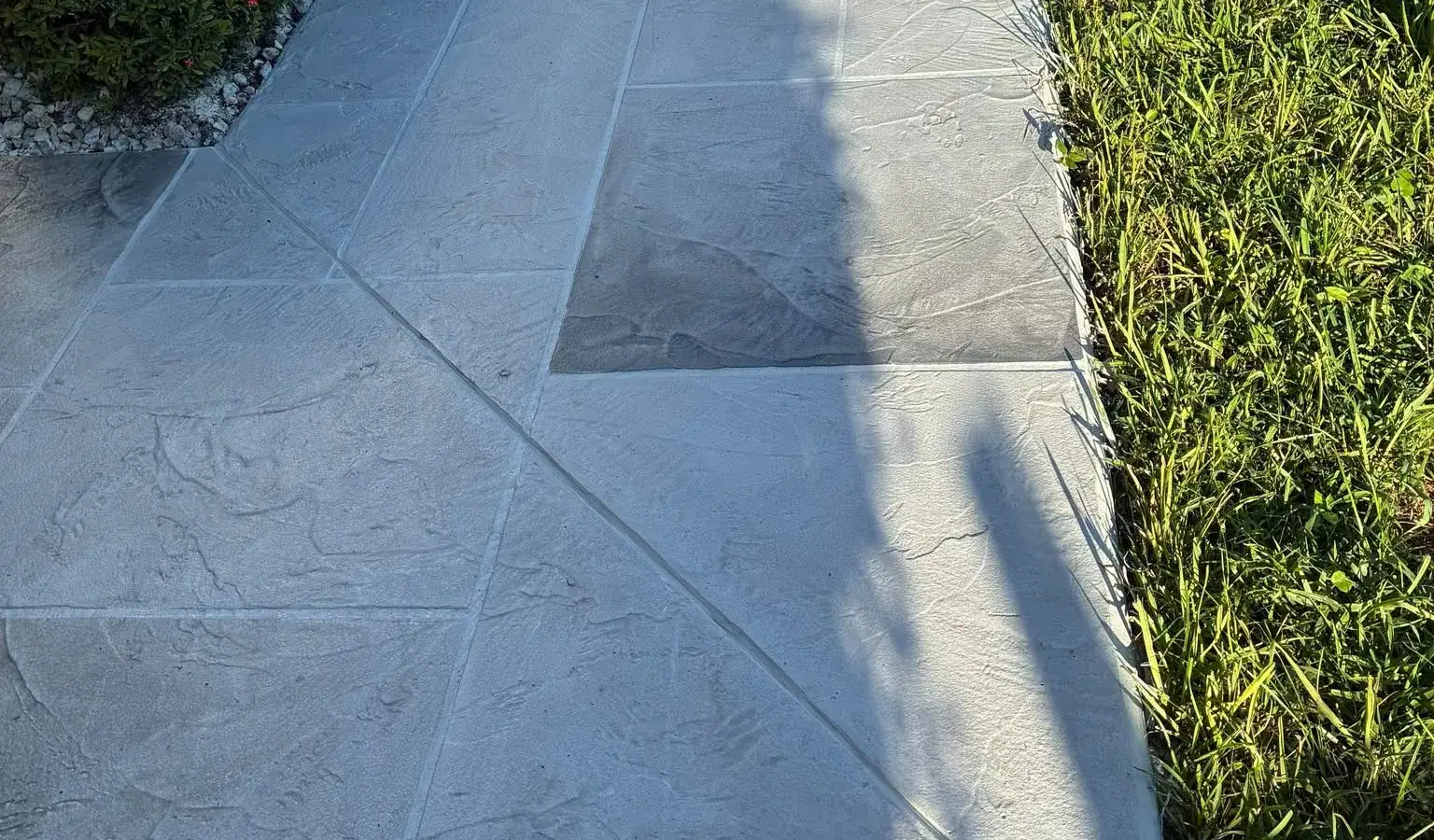
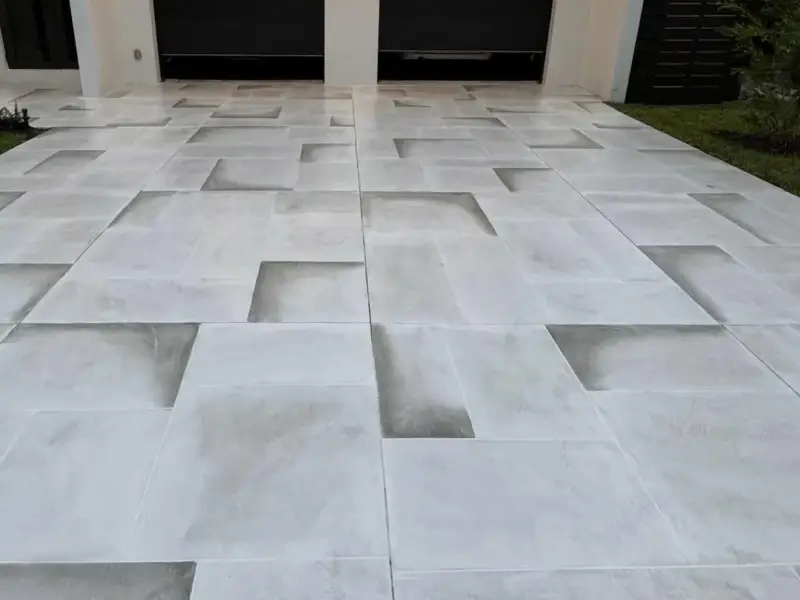
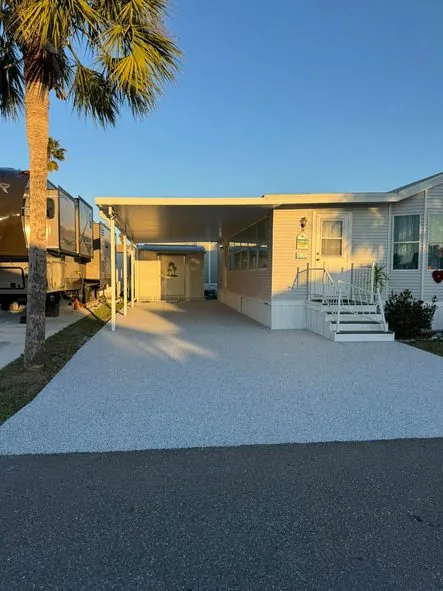
Resurfacing. A thin new layer gives worn driveways, patios, walks and steps a new surface and color without a tear-out.
Sealing. Cleaning and sealing protect plain and decorative concrete from rain, salt, stains and sun.
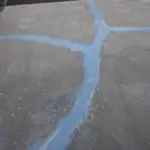
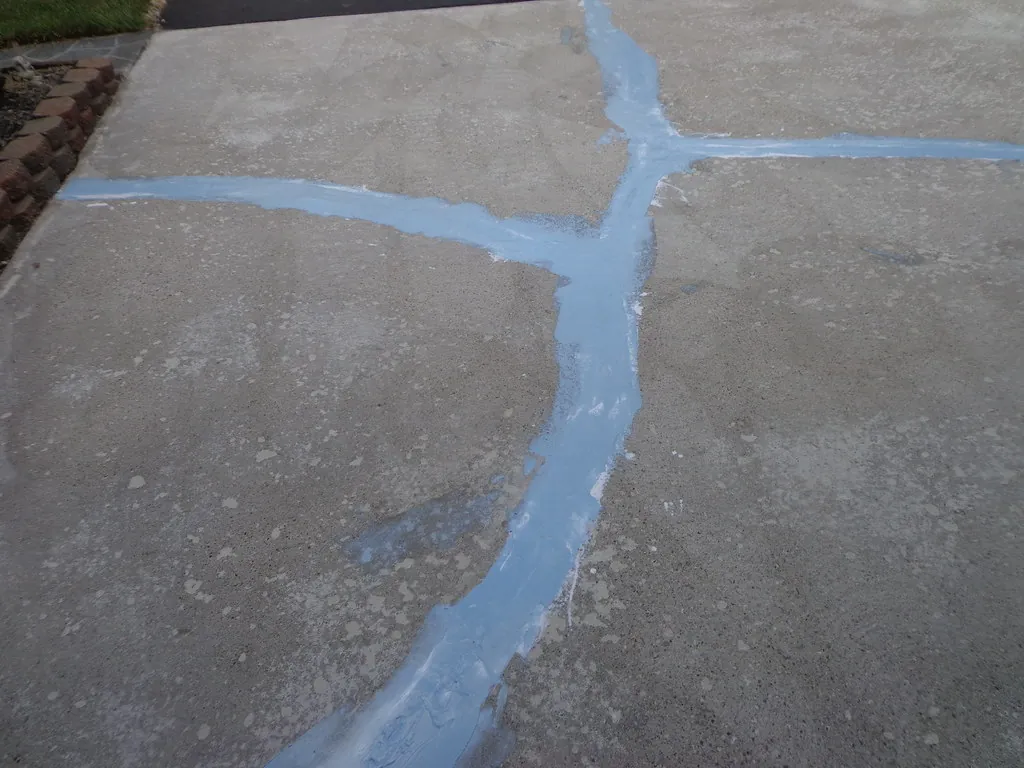
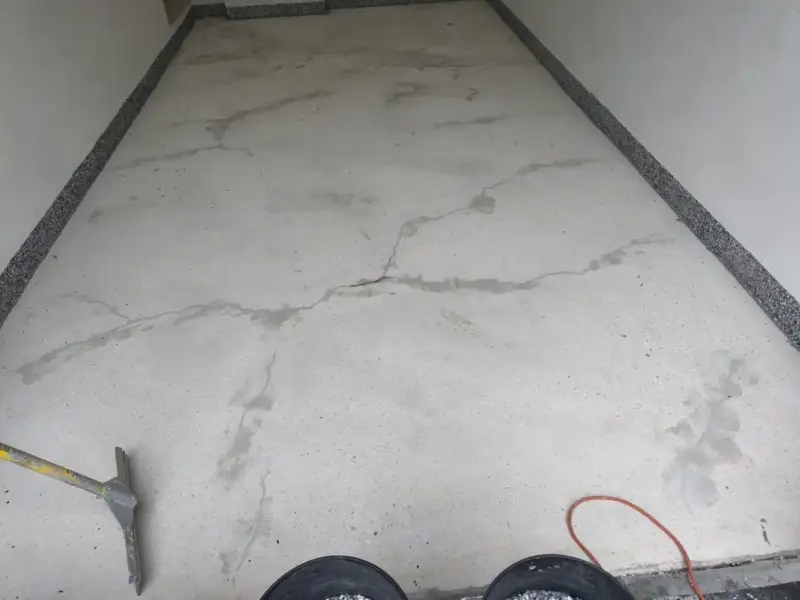
Crack repair. Cracks are opened, cleaned and filled with the right material for whether they are still moving.
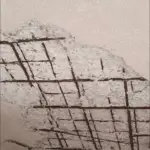
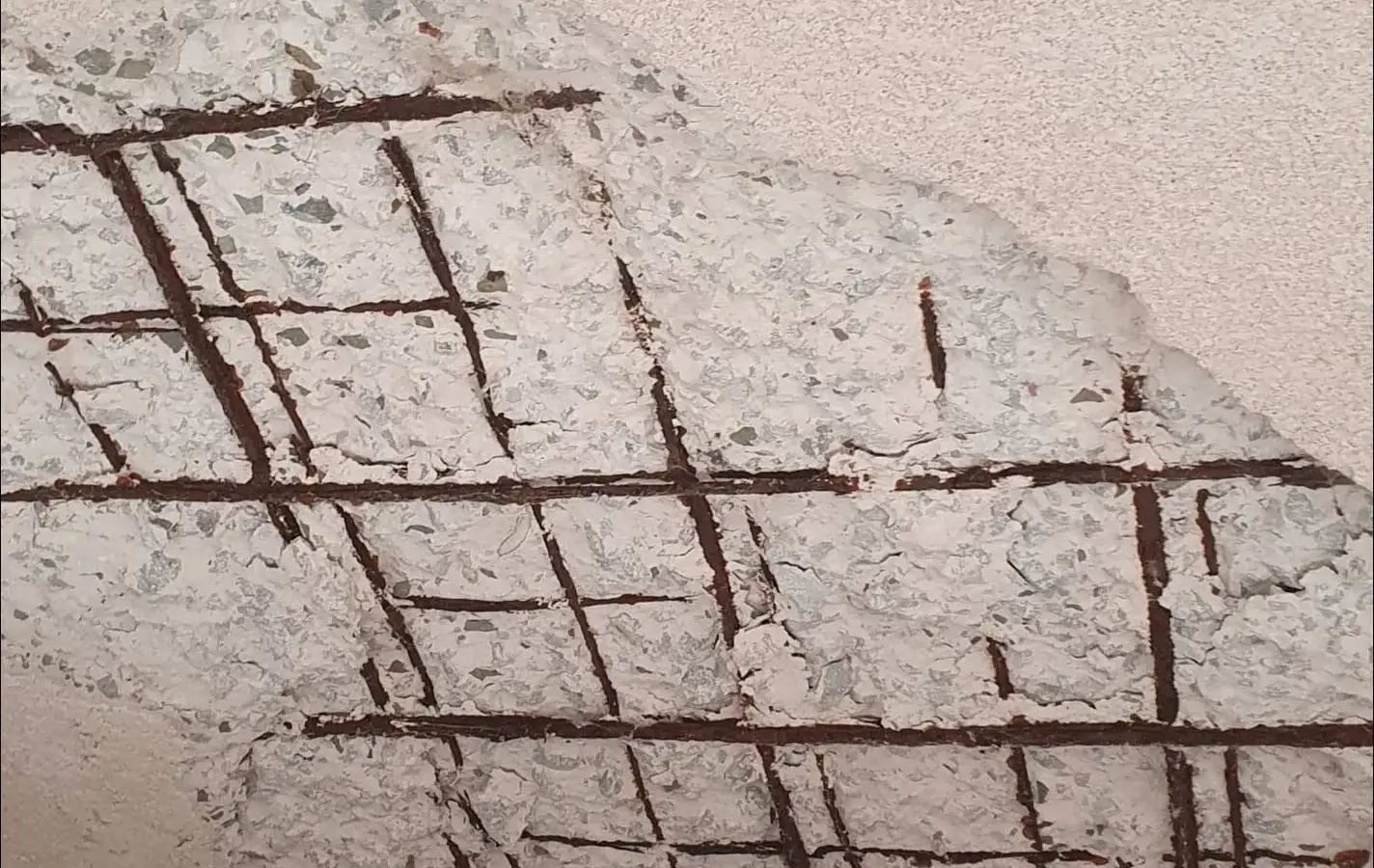
Spalling repair. Flaking and crumbling concrete is cut back to solid material, rusted steel is treated, and the area is rebuilt.
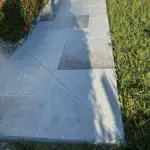
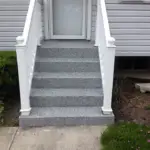
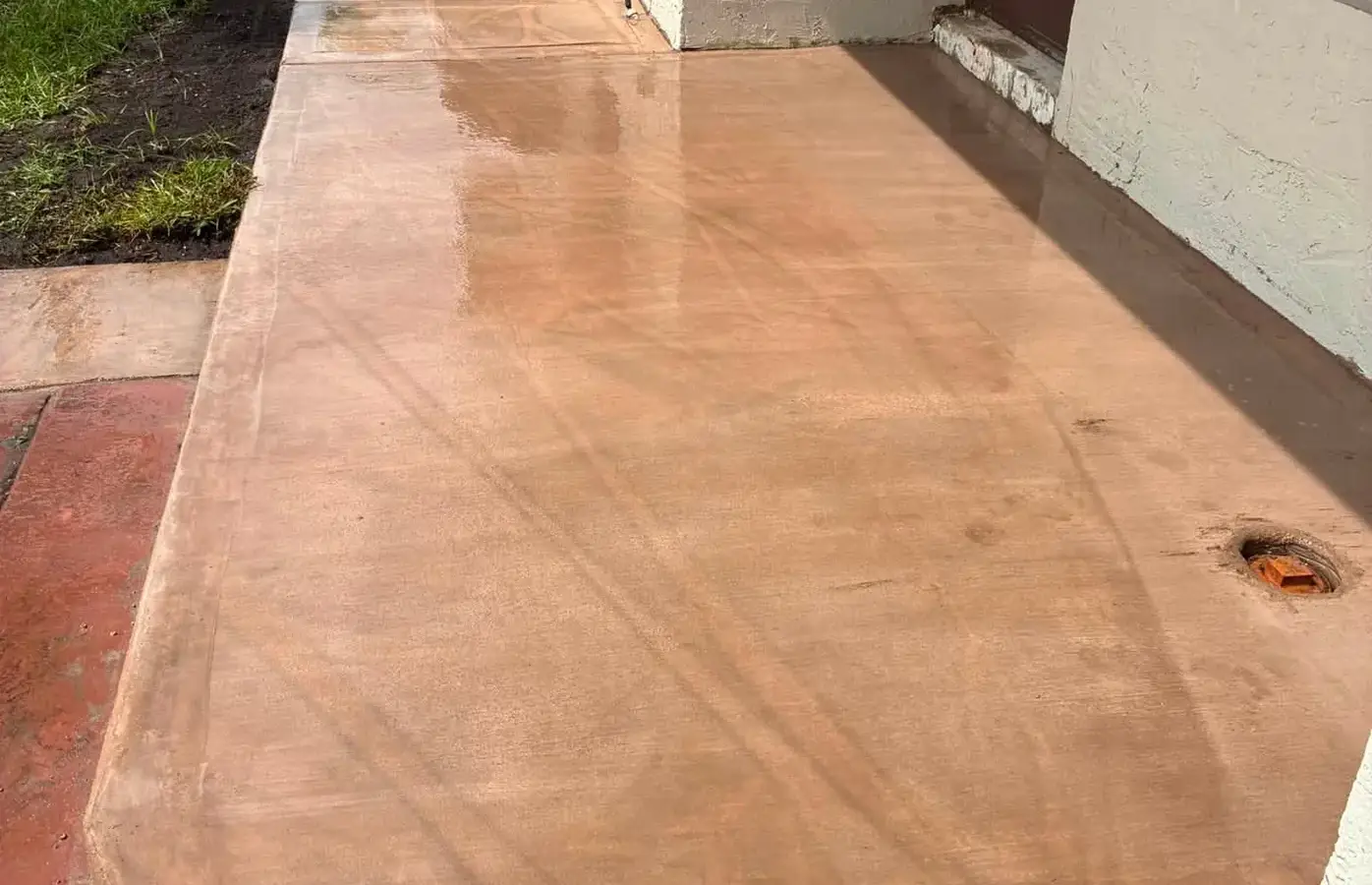
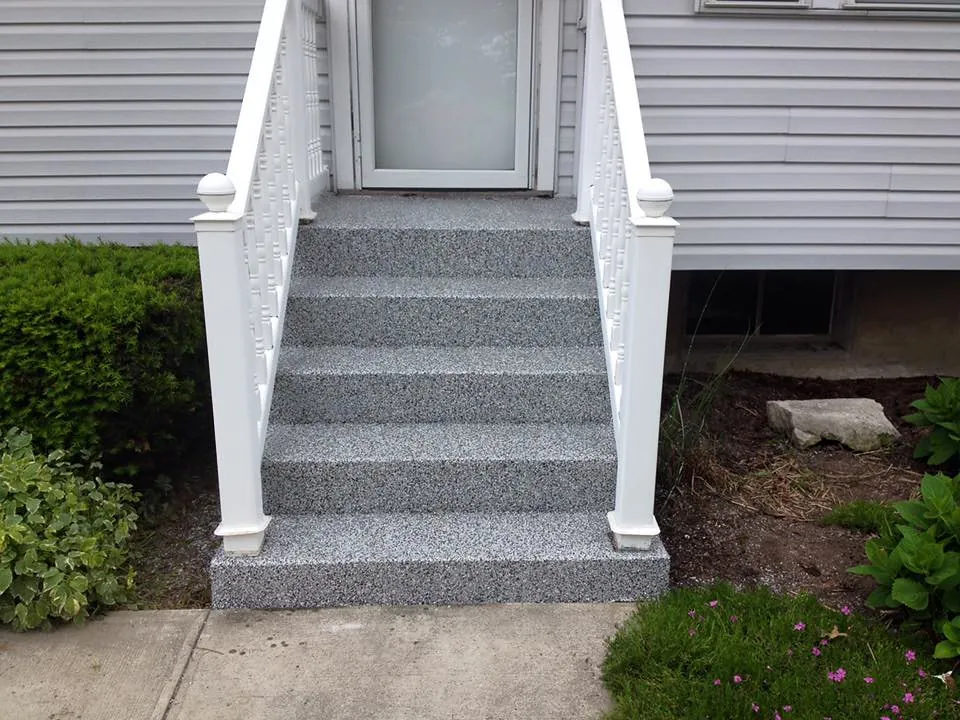
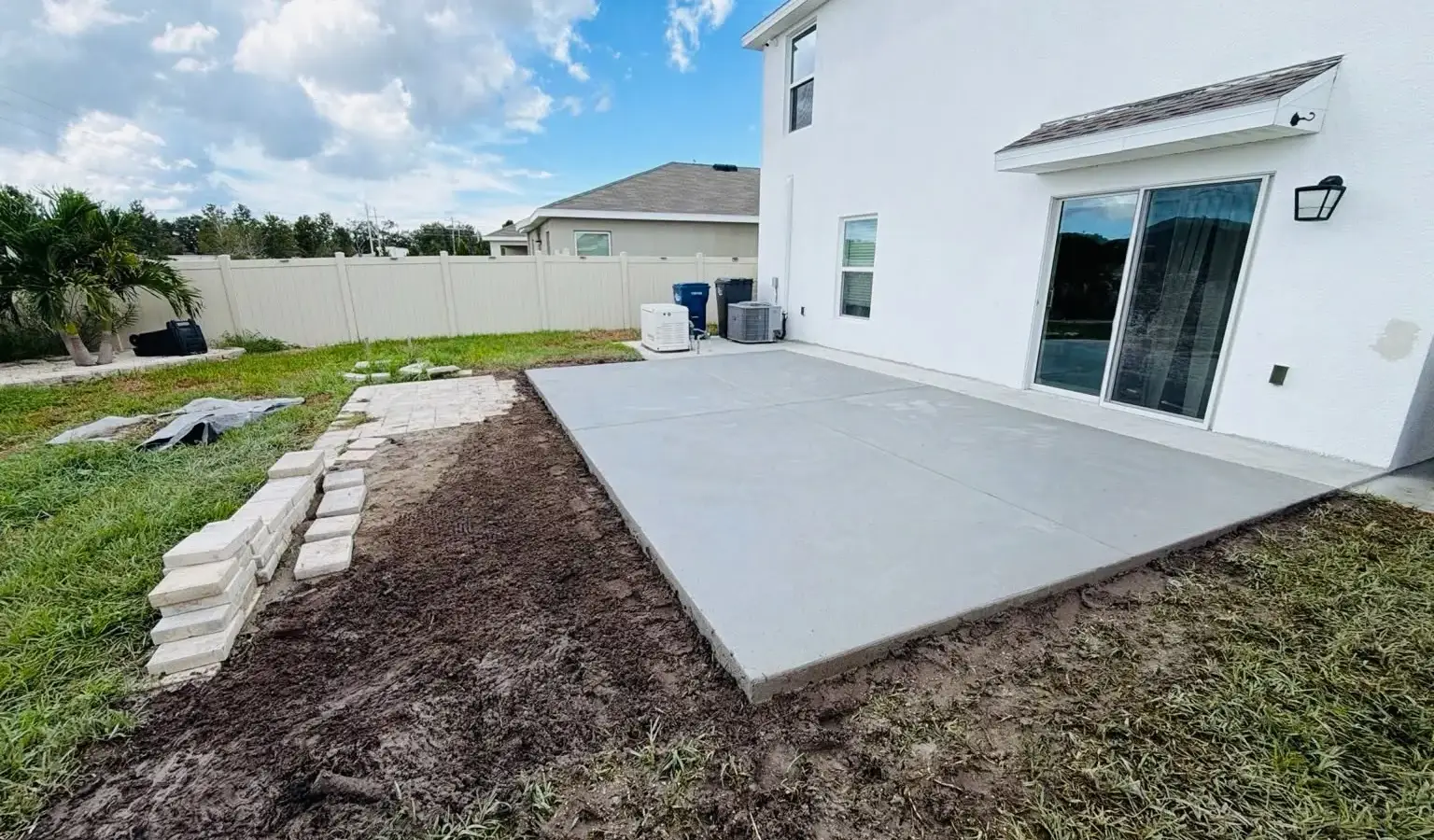
Sidewalks, patios and steps. Trip lips ground down, lifted panels replaced, patios repaired and steps rebuilt.
Why repair first?
Tearing out concrete is loud, slow and expensive, and much of the time it is not needed. A slab with a good base can serve for many more years once its cracks are sealed and its surface is renewed. Repair also means less disruption. Most repairs are finished in days, and you can keep using part of the driveway or patio while the work is done.
We also tell you when repair is the wrong call. If a slab is moving, a patch is wasted money. You will hear that from us before you spend anything.
What does a written estimate include?
Every estimate lists the area being worked on, the prep we will do, the repair method or system, the finish, the price and how long before you can use the concrete. If there is something we cannot know until work starts, such as how far weak concrete goes under a flaking surface, we say so and explain how it would be handled. Nothing is left to guesswork.
How a concrete repair job works
- You call, text a photo or send the form. We reply within one business day.
- We come out, look at the whole slab and find the cause of the damage.
- You get a free written estimate that lists the work and the price.
- We do the repair, protect the areas around it and clean up.
- We walk the job with you and tell you when you can walk or drive on it.
What we repair
We work on concrete only. That covers concrete driveway repair, garage floor coating, concrete resurfacing, concrete sealing, concrete crack repair, spalling concrete repair, and sidewalk, patio and step repair. If you are comparing companies, our page on choosing a concrete contractor in Fort Lauderdale lists the questions worth asking.
Fort Lauderdale neighborhoods and nearby towns we serve
We work across the city, from the waterfront streets of Las Olas Isles, Rio Vista and Harbor Beach to Victoria Park, Coral Ridge, Imperial Point and the neighborhoods along the New River like Sailboat Bend and Riverland. We also serve the towns that border Fort Lauderdale, including Wilton Manors, Oakland Park and Lauderdale-by-the-Sea.
Ready to have someone look at it? Ask for a free concrete repair quote and we will set up a time.