On this page
Concrete looks solid, but it is full of tiny pores. Every summer downpour pushes water into those pores. Near the ocean that water carries salt. Add sprinkler rust, leaf tannins and oil drips, and an unsealed slab starts to stain and wear years before it should. Sealing closes those pores.
Concrete sealing for Fort Lauderdale driveways and patios
We seal driveways, walkways, patios, lanais, steps, carports and stamped or stained concrete. Every job starts with cleaning, because a sealer locks in whatever is on the surface. Then we choose the sealer that fits the slab and how you use it.
Does concrete need to be sealed in Florida?
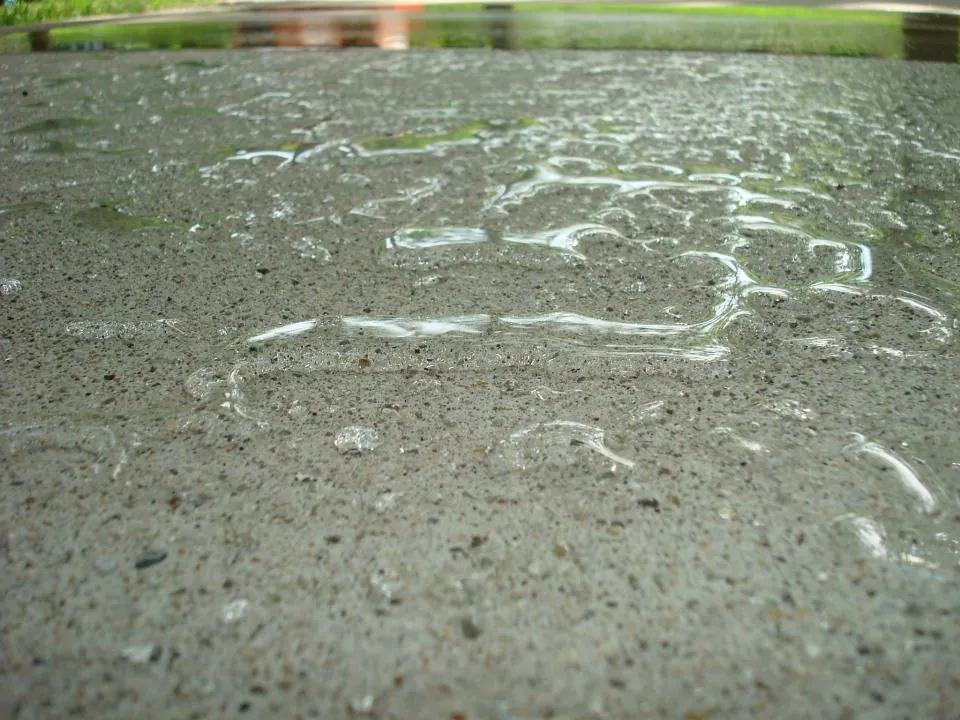
It does not have to be, but it lasts longer and looks better when it is. Florida has no freeze and thaw cycle, which is the main reason concrete gets sealed up north. Here the reasons are different: heavy rain, salt air, strong sun, mildew and stains. Sealing matters most on decorative concrete, on slabs near the coast and canals, and on any concrete you have just paid to repair or resurface.
What kinds of concrete sealer are there?
There are two main families.
- Penetrating sealers soak into the concrete and react inside it. They leave the surface looking natural, with no shine and no film to peel. They are a good choice for plain driveways and walks.
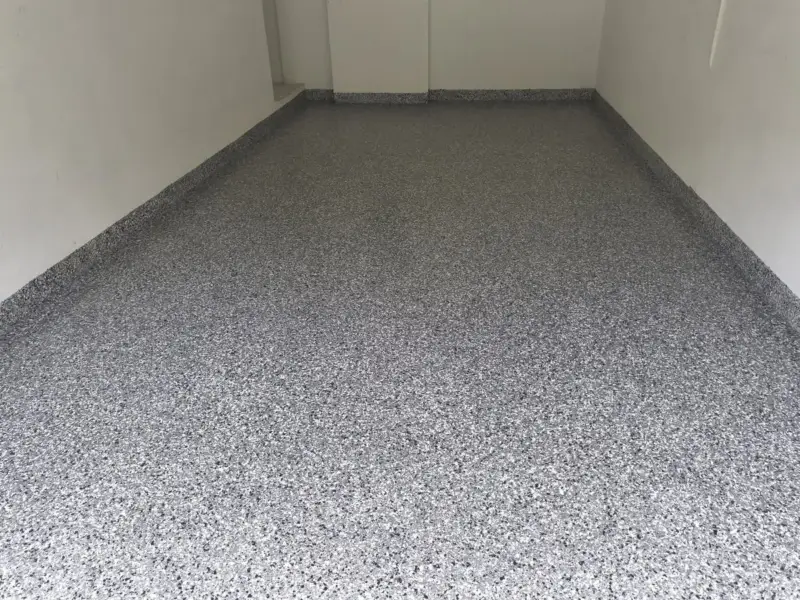
- Film forming sealers, usually acrylic, leave a thin coat on the surface. They deepen the color and can give a satin or wet look. They are the usual choice for stamped, stained and resurfaced concrete.
Each has trade offs. A penetrating sealer will not change the look, but it will not hide anything either. A film forming sealer makes color pop, but it wears with traffic and sun and needs to be renewed more often.
How often should concrete be resealed?
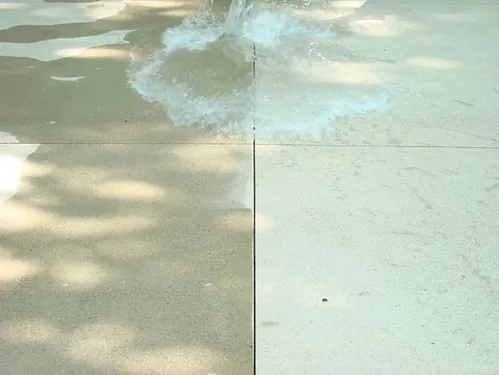
It depends on the sealer, the sun and the traffic. Film forming sealers on a sunny driveway often need a fresh coat every two to three years. Penetrating sealers can go longer. The simple test is water. Sprinkle some on the slab. If it beads, the sealer is working. If the concrete darkens right away, it is time.
How we seal concrete
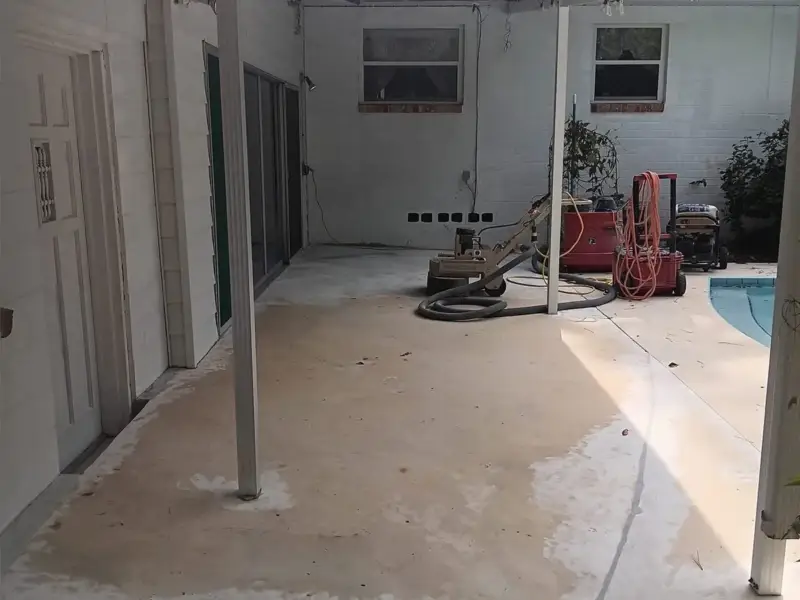
1. We pressure wash the slab and treat rust, oil and mildew stains. 2. We let the concrete dry fully. This step matters a lot in our humidity. 3. We repair cracks and chips if needed. 4. We apply the sealer in thin, even coats. 5. We add a non-slip additive where the surface will get wet.
Sealing damp concrete is the most common mistake. Moisture trapped under a film forming sealer turns it white and cloudy. We schedule around the weather and do not rush the drying time.
Sealing stamped and stained concrete
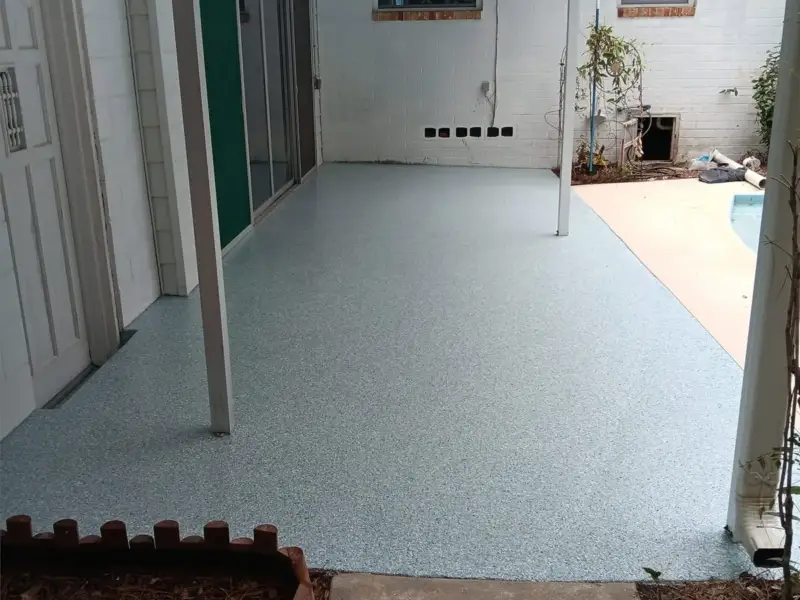
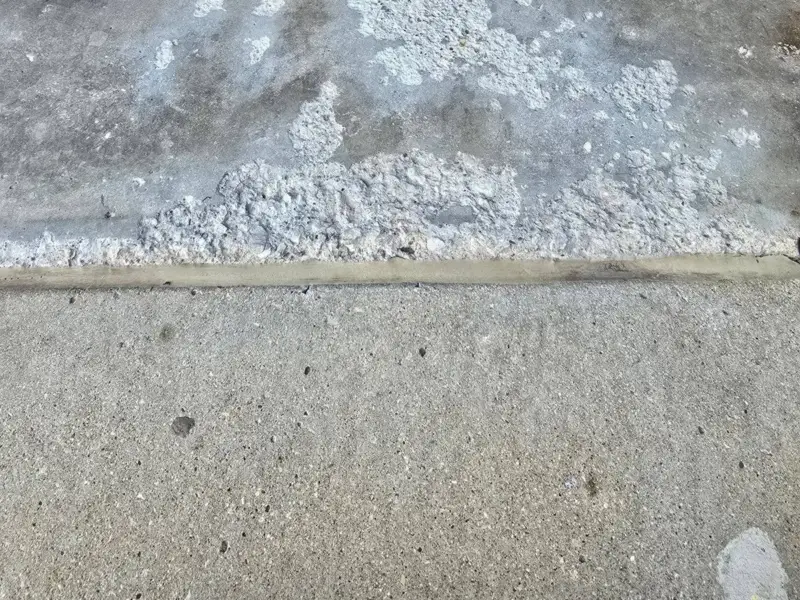
Decorative concrete depends on its sealer. The sealer is what keeps the color rich and protects the surface pattern. When it wears off, the color fades fast in Florida sun. If your stamped patio or driveway looks dull and chalky, a cleaning and reseal often brings it back. If old sealer has turned white or is flaking, it may need to be stripped first.
Will sealing make my driveway slippery?
A penetrating sealer does not change the grip at all. A film forming sealer can be slick when wet on a smooth surface, so we mix in a fine non-slip additive on driveways with a slope, on steps and around any water.
When should new concrete be sealed?
New concrete needs time to cure before most sealers go on, usually about a month. Resurfaced concrete is normally sealed as the last step of the job. If you have just had concrete driveway repair or concrete resurfacing done, ask us when to seal it.
What are the signs my concrete needs sealing?
* Water soaks in and darkens the surface right away * Stains from leaves, rust or oil set in quickly and do not wash off * Mildew and dark streaks come back soon after cleaning * Stamped or stained concrete looks dull, faded or chalky * The surface feels rough and sheds fine grit
If you see two or three of these, the old sealer is gone or the slab was never sealed.
Does sealing help against salt near the coast?
Yes. Salt gets into concrete dissolved in water. A sealer cuts how much water the surface takes in, so less salt gets carried down to the steel. It does not make concrete immune, and it will not undo damage that has started. On homes east of Federal Highway and along the canals, keeping driveways, steps and garage aprons sealed is one of the most useful things you can do. If the concrete is already flaking or showing rust, see spalling concrete repair first.
What will sealing not do?
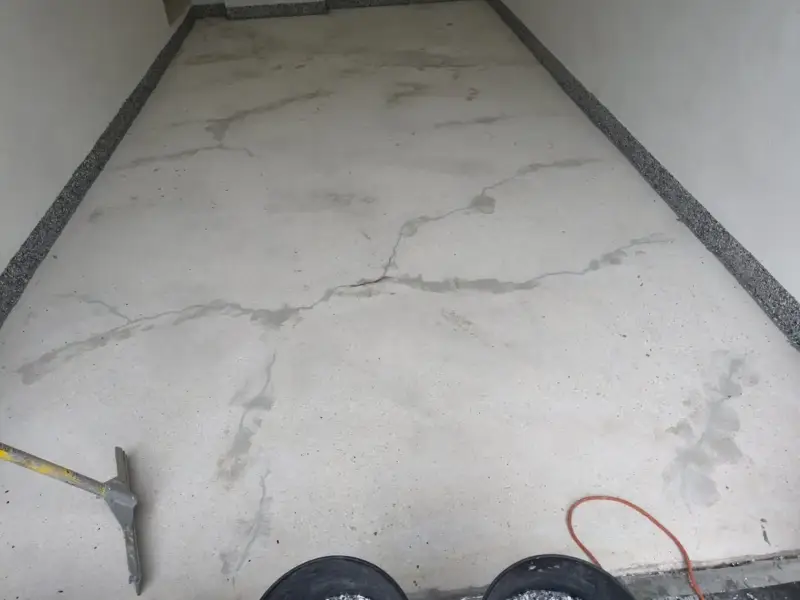
Sealer is protection. It is not a repair. It will not fill cracks, level a sunken slab, hide patches or stop a slab from moving. It also will not make old, stained concrete look new, although cleaning before sealing helps a lot. If you want a new look, concrete resurfacing comes first and sealing is the last step.
What does concrete sealing cost?
Sealing is one of the lowest cost services we offer. Price depends on the size of the area, how much cleaning and stain treatment it needs, and the type of sealer. Our concrete repair cost guide lists what affects the price.