On this page
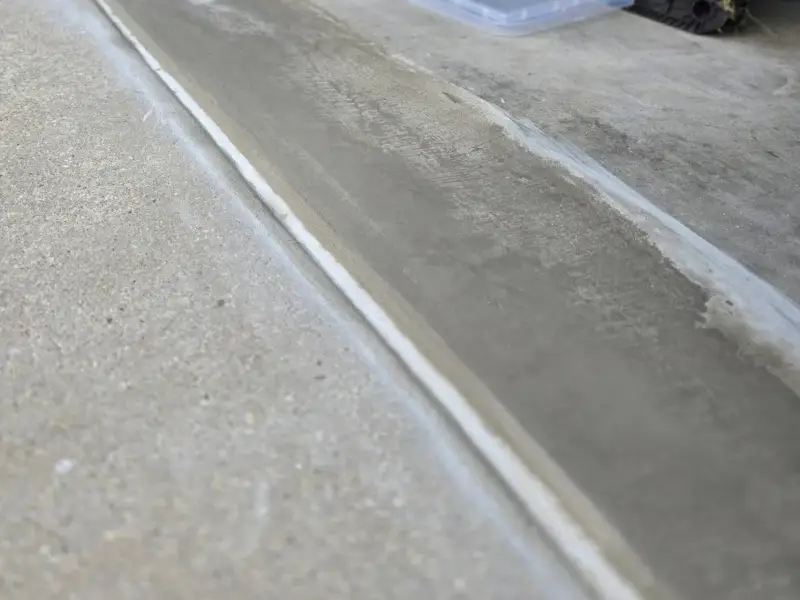
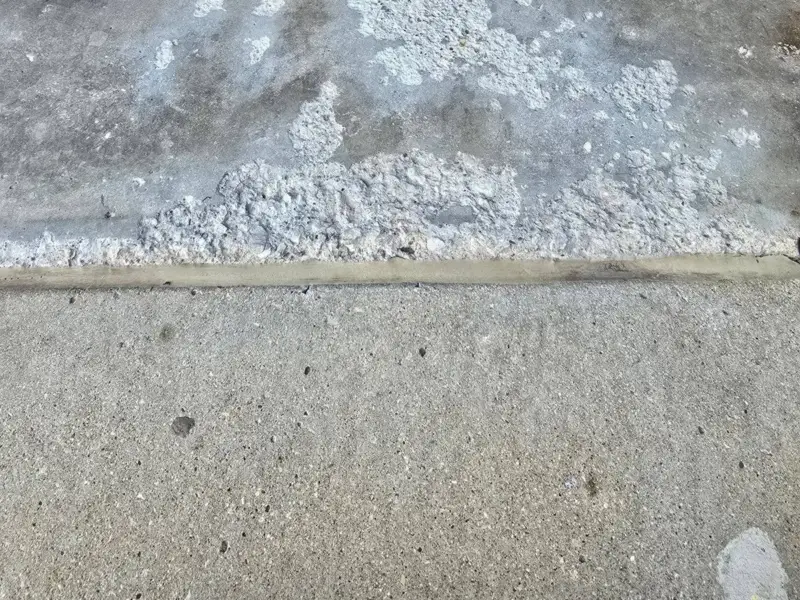
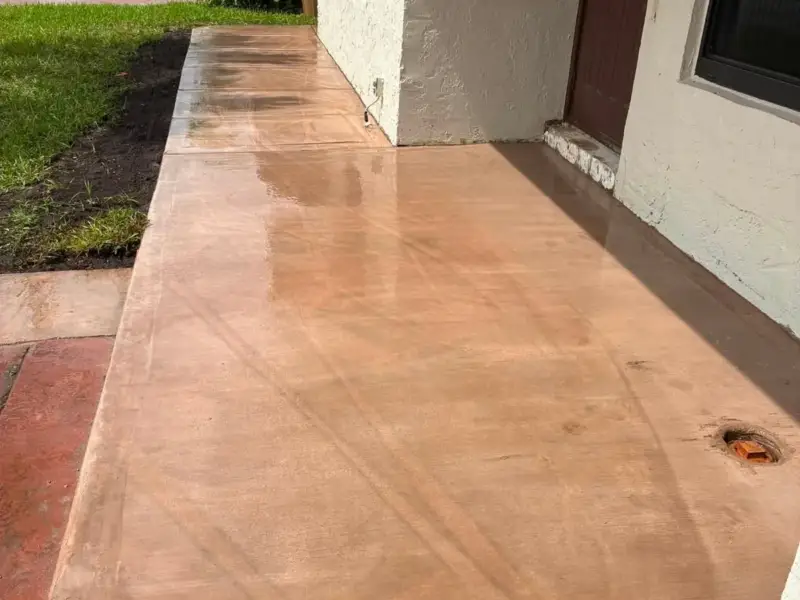
Some concrete is ugly but not broken. The surface is gray and rough, there are rust stains from patio furniture, old patches show in three different colors, and no amount of pressure washing brings it back. That is the situation concrete resurfacing was made for.
Concrete resurfacing in Fort Lauderdale
Resurfacing means we repair the flaws in the slab and then cover the whole thing with a new surface, usually between the thickness of a credit card and a quarter inch. The new layer is a cement based mix with polymers in it, so it sticks to old concrete far better than plain concrete would.
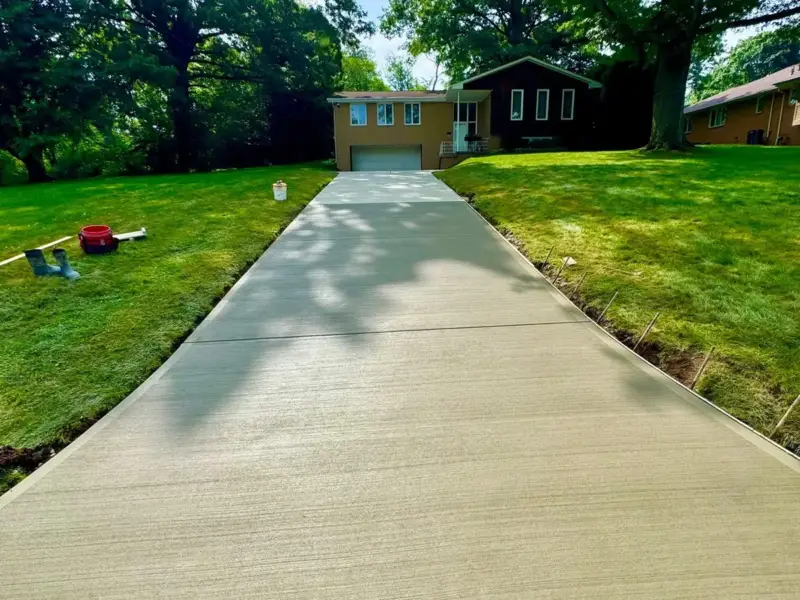
Around Fort Lauderdale we use it on driveways, front walks, back patios, lanais, carports and steps. It is popular on mid-century block homes where the concrete is original and tired but still solid.
What can be resurfaced, and what cannot?
Resurfacing needs a sound base. These slabs are good candidates:
- Surfaces that are worn, pitted, stained or discolored
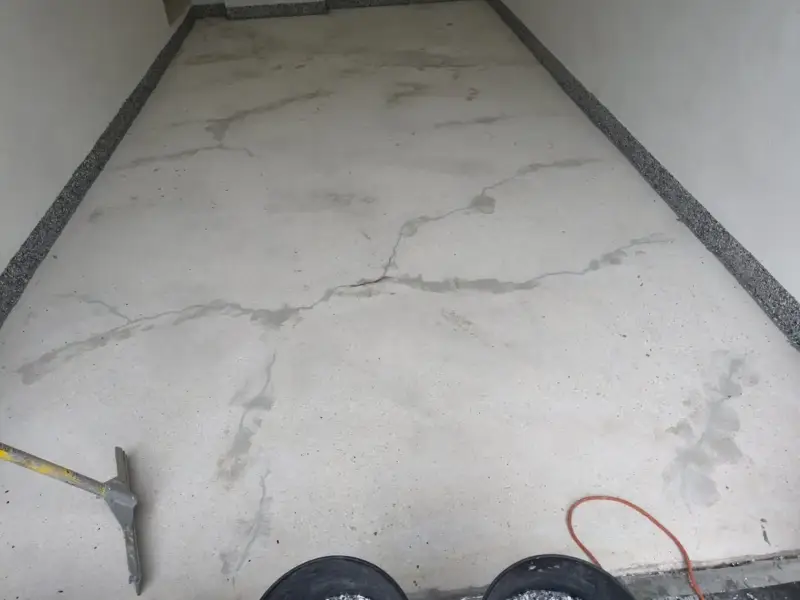
- Slabs with tight cracks that have stopped moving
- Old concrete with patches that do not match
- Plain gray slabs you want to dress up
These are not:
- Slabs that are sinking, heaving or rocking
- Concrete that is crumbling or soft
- Cracks where one side is higher than the other
- Areas with water coming up through the slab
When a slab fails those tests, the bad sections need to be replaced first. After that, resurfacing can blend the new and old concrete together.
What is a concrete overlay?
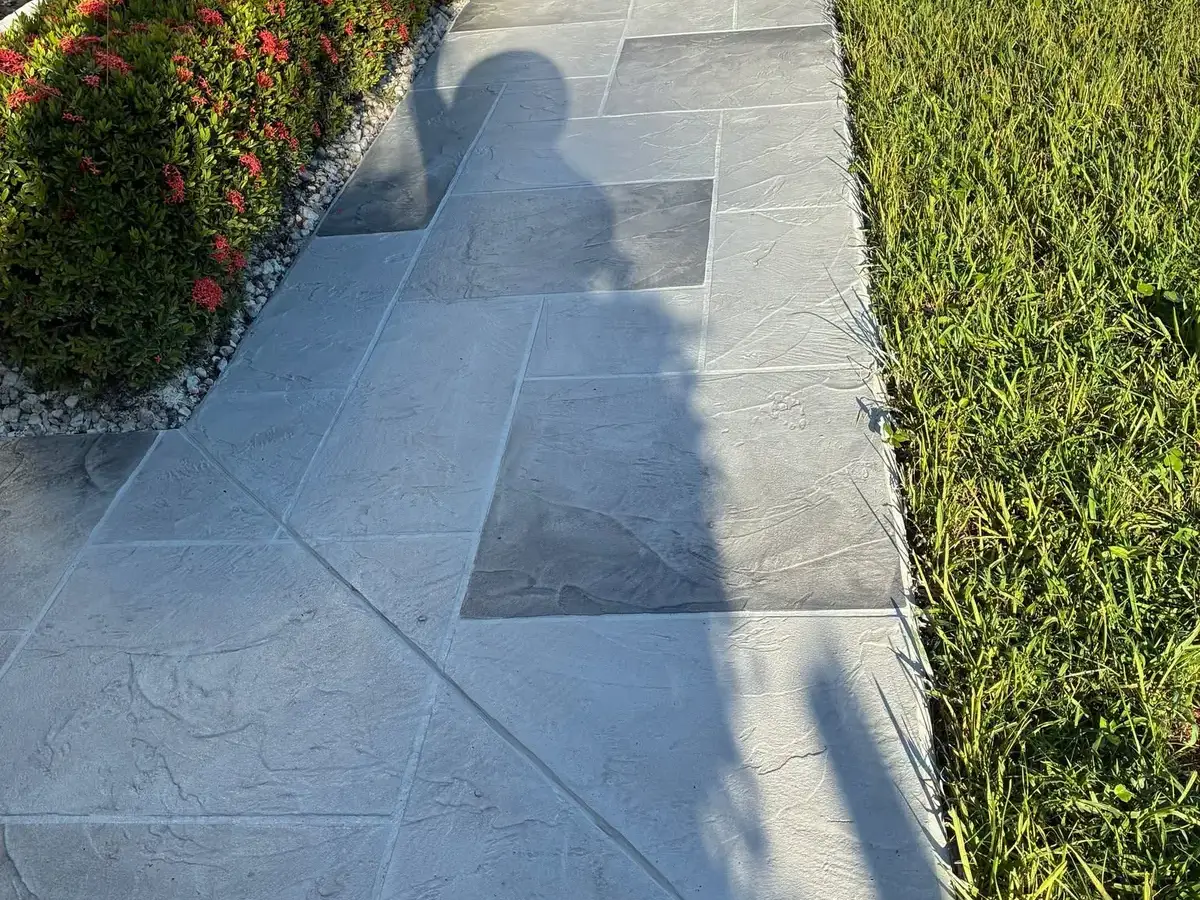
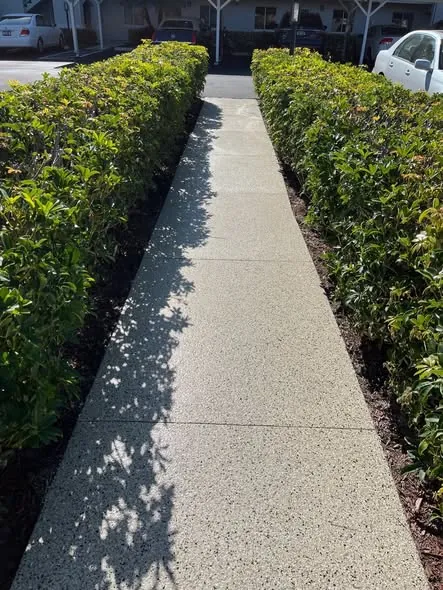
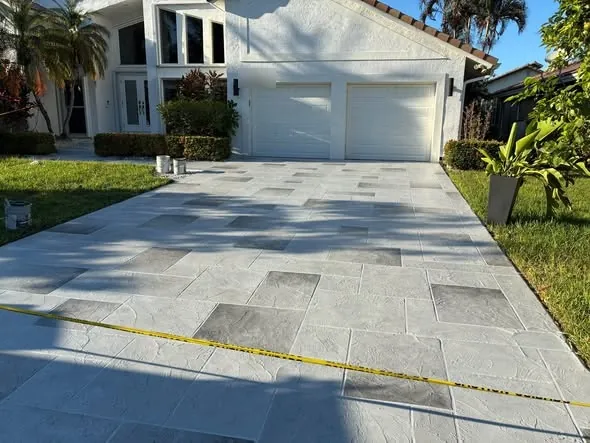
An overlay is another name for the resurfacing layer. Thin overlays, sometimes called microtoppings, give a smooth or lightly textured finish. Thicker overlays can be stamped or cut to look like slate, stone or tile. A spray texture finish, common around South Florida, leaves a slightly raised pattern that stays cooler and gives grip when wet.
How does the resurfacing process work?
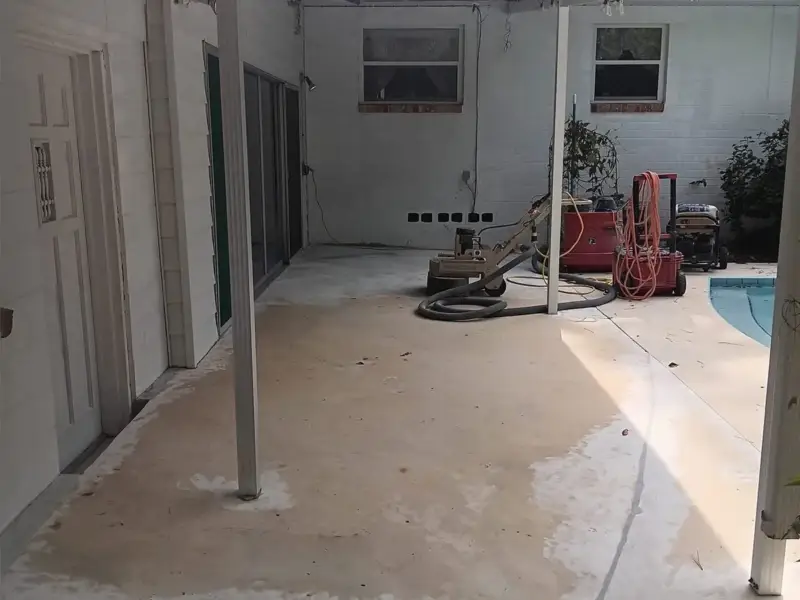
1. We pressure wash and, where needed, grind the surface so the new layer can bond. 2. We repair cracks, chips and broken edges. 3. We apply a bonding primer if the system calls for it. 4. We spread the resurfacing mix and work in the texture or pattern. 5. Color goes in the mix or on top as a stain. 6. After it cures, we seal it.
Every step depends on the one before it. Most overlay failures come from poor cleaning or from covering a slab that was still moving.
Can concrete be stained or made decorative?
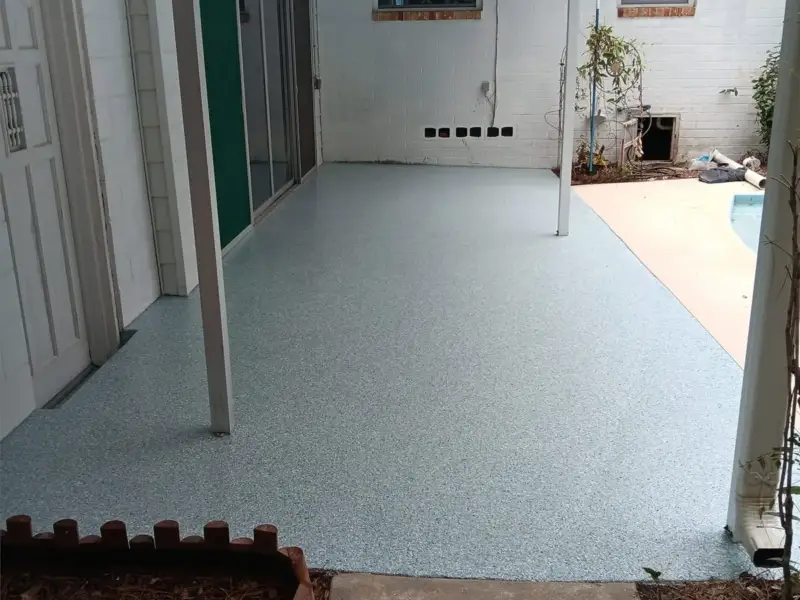
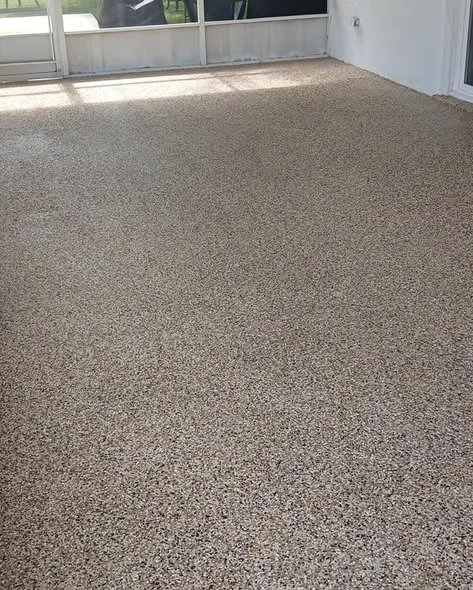
Yes. Concrete staining adds color to a new overlay or to an existing slab in good shape. Water based stains give even, solid tones. Reactive stains give a mottled, natural look that varies across the surface. Decorative concrete can also mean saw cut patterns, borders in a second color, or a flake finish on a covered patio.
Stain is not paint. It soaks in and lets the character of the concrete show, so repairs and old stains underneath can still show through. That is one reason an overlay is often done first.
Will cracks come back through the new surface?
They can. An overlay sticks to the slab, so if the slab moves, the overlay moves with it. We repair cracks before resurfacing and, where we can, turn them into clean joints so any future movement follows a straight line. Tight, stable cracks usually stay hidden. A crack that is still opening and closing will likely return.
How long does resurfaced concrete last in Florida?
An overlay with a good bond that is kept sealed holds up for many years. Sun, standing water and salt are what wear it down. Resealing every few years, keeping sprinklers from soaking it daily, and rinsing salt off near the coast all help. See our concrete sealing page for how that works.
How long does it take?
Most home projects take two to four days, including repairs and curing between steps. You can usually walk on the new surface after a day. Driveways need a few days before cars. Summer storms can add a day.
Which finishes can I choose from?
* Broom finish. A fine brushed texture. Simple, good grip, lowest cost. * Spray or knockdown texture. A slightly raised pattern that stays cooler and drains well. Common on patios and walks here. * Stamped or patterned overlay. Made to look like slate, stone or tile, with grout lines cut or pressed in. * Stained finish. Color added to a smooth or lightly textured overlay for a natural, varied look. * Flake finish. Colored flakes in a clear resin, mostly for covered patios, lanais and carports.
We bring samples so you can see texture and color in your own light before you choose.
How does Florida weather affect resurfacing?
Heat makes resurfacing mixes set fast, so we work in sections and often start early in the day. Rain is the bigger issue. A downpour on a fresh overlay can mark it, so we watch the radar and plan around the usual afternoon storms in summer. Direct sun, heat and wind also dry the surface quickly, which we manage by timing and by keeping the slab damp before the mix goes down. None of this stops the work. It just takes planning.
What does concrete resurfacing cost?
It usually costs much less than removing and replacing the same slab. The price depends on the size, the amount of repair, and the finish. A plain broom texture costs less than a stamped pattern with two colors. Our concrete repair cost guide covers the details.
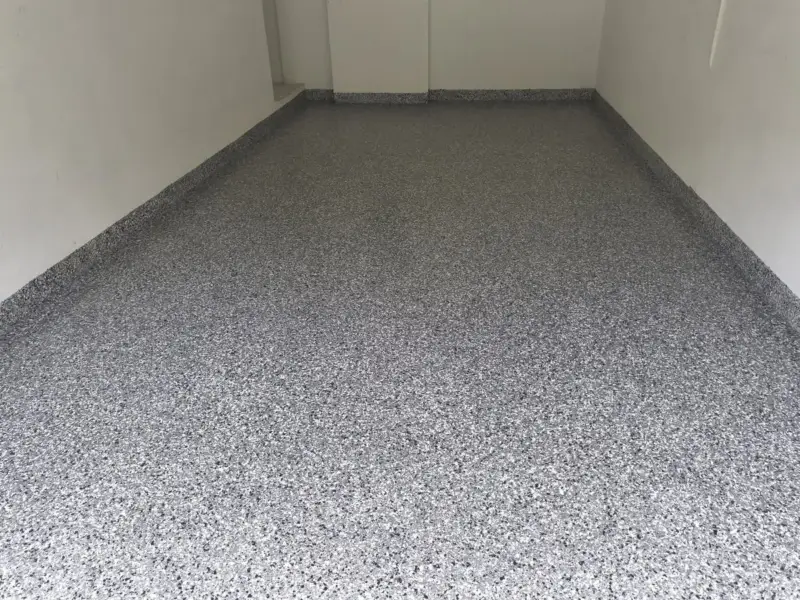
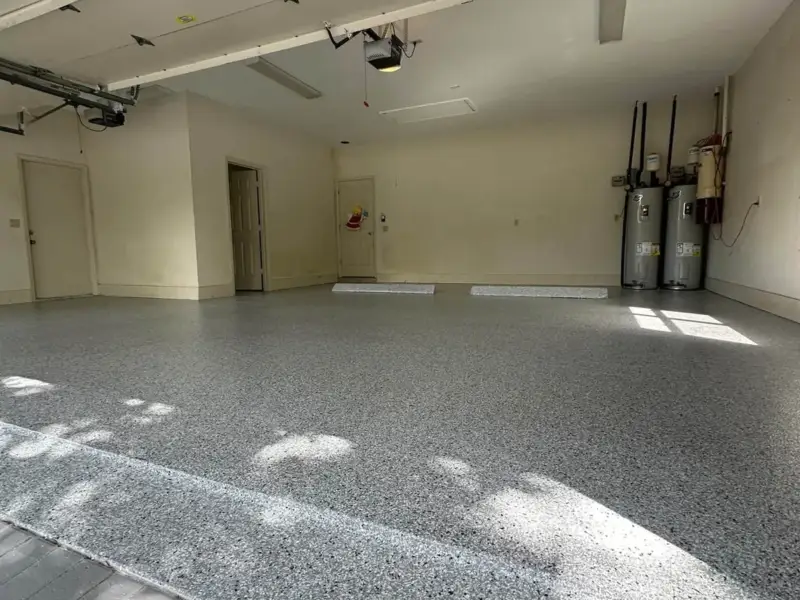
For a driveway with broken or sunken sections, start with concrete driveway repair. For a garage, a garage floor coating is the tougher choice.