Skip to content
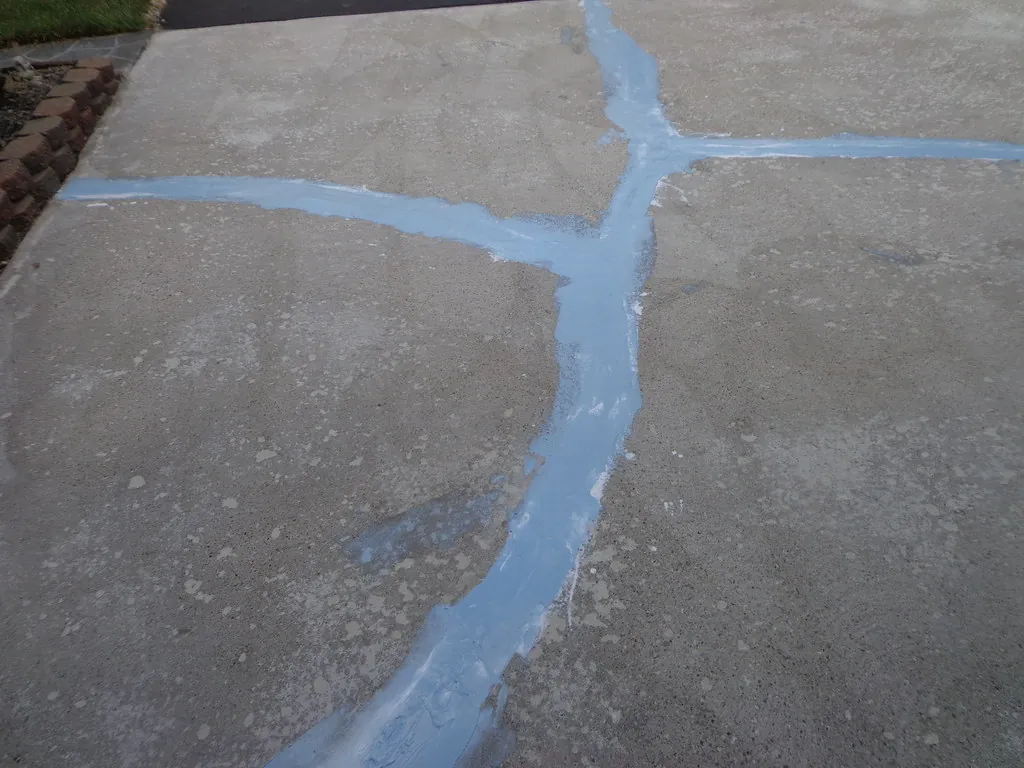
Concrete driveway with long cracks filled with blue-grey repair material

Concrete Crack Repair in Fort Lauderdale, FL

Concrete Crack Repair in Fort Lauderdale, FL

Cracks in driveways, patios, slabs and garage floors cleaned out and filled the right way so water stays out.

  • Free Written Estimates
  • Repair Before Replace
  • Replies Within 1 Business Day
No obligation

Get a Free Concrete Estimate

Tell us about your project. We reply within 1 business day.

Free Written Estimates · Repair Before Replace · Replies Within 1 Business Day · No spam

Or call us directly: (954) 466-2820

Concrete crack repair means cleaning out a crack and filling it with a material that bonds to both sides and keeps water out. The right material depends on whether the crack is still moving. Finding that out first is what makes the repair last.
Concrete driveway with long cracks filled with blue-grey repair material
On this page

Almost every slab cracks. Concrete shrinks as it cures, the ground under it shifts, and roots and water do the rest. Most cracks are not an emergency. But a crack is an open door for water, and in a place that gets as much rain as Fort Lauderdale, water under a slab leads to bigger problems.

Concrete crack repair in Fort Lauderdale

We repair cracks in driveways, garage floors, patios, lanais, walkways, carports and steps. Before we fill anything, we work out what kind of crack it is. A crack that formed in the first year and has not moved since is handled very differently from one that opens a little wider every rainy season.
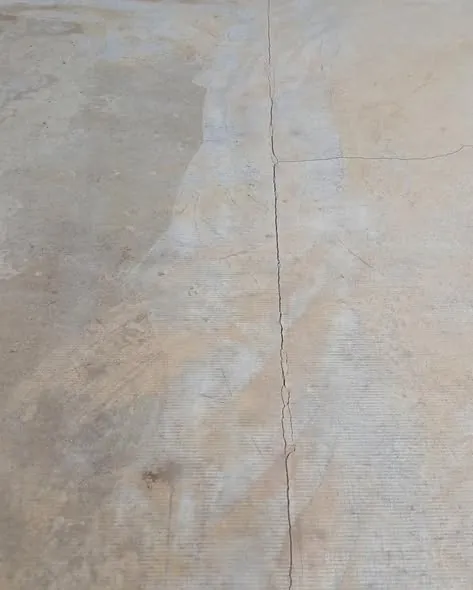
Close-up of a long crack running across a concrete slab
A long shrinkage crack across a slab.

Why does concrete crack?

* Shrinkage. Concrete loses water as it cures and gets slightly smaller. Control joints are meant to guide these cracks into straight lines. When joints are missing or too far apart, the slab makes its own. * Settlement. Sandy fill can settle or wash out, leaving part of the slab unsupported. * Roots. Tree roots lift one side of a slab and snap it. * Loads. Trucks, dumpsters and boat trailers put more weight on a driveway than it was built for. * Rusting steel. Near the coast, salt reaches the reinforcing steel. Rust expands and cracks the concrete from inside. That is the start of spalling.

Which cracks should I worry about?

Use these as a guide:

  • Hairline cracks that have looked the same for years are mostly cosmetic. Sealing them is cheap protection.
  • Cracks wider than about a quarter inch let in a lot of water and should be repaired.
  • Cracks where one side is higher than the other mean the slab has moved. They are also a trip hazard.
  • Cracks that are getting longer or wider mean something is still going on underneath.
  • Cracks with rust stains point to steel corroding inside the concrete.
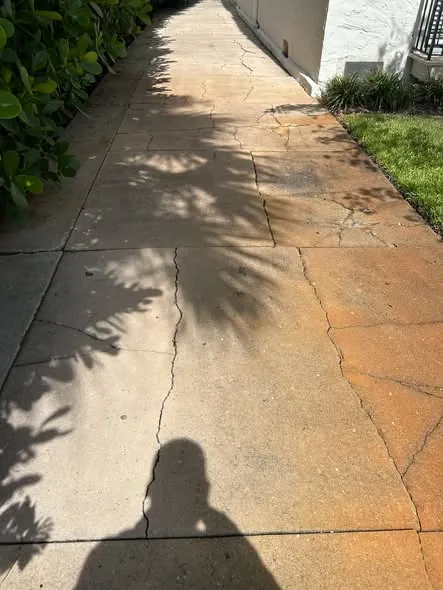
Concrete walkway with several cracks and rust-colored stains
Cracks and rust-colored stains on a side walkway.

How are concrete cracks repaired?

1. We check the crack for movement, depth and height difference. 2. We open the crack into a clean channel with a grinder. This is called routing. It gives the repair material room to grip. 3. We vacuum out dust and loose grit. 4. For cracks that move, we use a flexible sealant that stretches. For cracks that are stable, we can use a rigid repair material such as an epoxy or a polymer mortar. 5. We tool the repair flush with the surface.

Pouring a liquid filler into a dirty crack is the quick version, and it usually pops out within a season. Routing and cleaning are what make a repair hold.
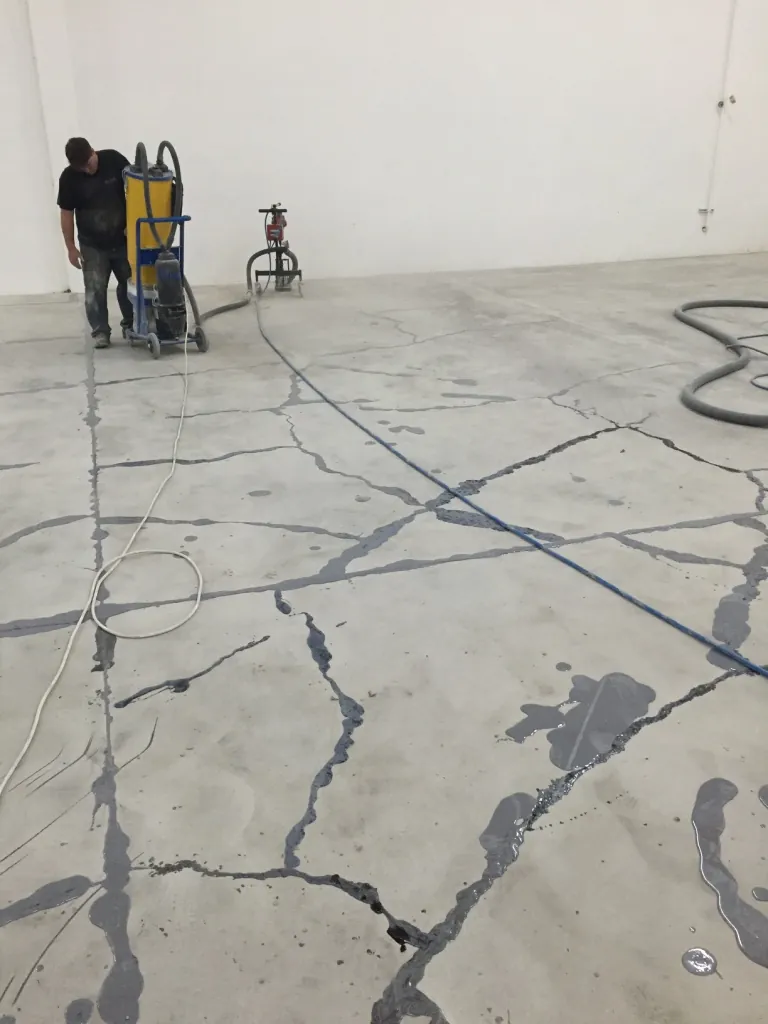
Large concrete floor with many cracks filled with grey repair material
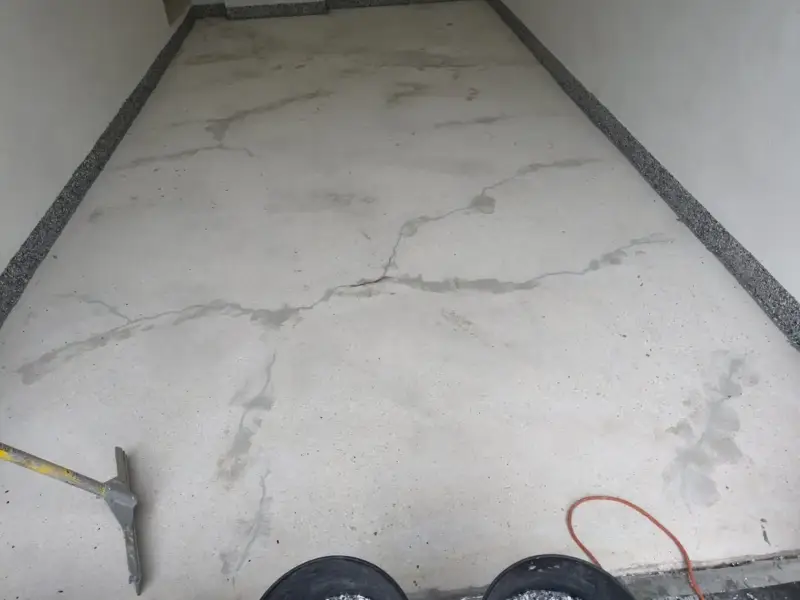
Every crack is filled before a floor is resurfaced or coated.

Will the repaired crack still show?

Yes, by itself it will. A filled crack looks like a neat line of a slightly different color. For many people that is fine on a driveway or a side walk. If you want the cracks gone from view, the next step is concrete resurfacing or, in a garage, a garage floor coating. Both go over the repaired cracks and give one even surface.

When is a crack more than a crack?

Sometimes the crack is a symptom. If a slab has dropped, rocks under weight or has broken into several pieces, filling the cracks will not fix it. That section needs to be replaced on a properly compacted base. The same is true when large roots are under the slab. We will show you what we see and explain the choices.
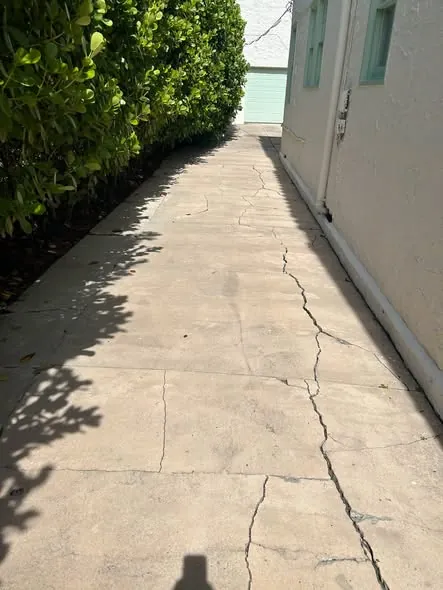
Side-yard concrete slab with a network of wide cracks
When cracks spread like this, the slab is moving.

Why crack repair matters more in South Florida

We get around five feet of rain a year, and much of it falls in hard summer bursts. Water that runs into a crack washes fine sand out from under the slab, a little at a time. That is how a thin crack becomes a sunken corner. Near the ocean and the Intracoastal, the same water carries salt down to the steel. Closing cracks early is cheap. Replacing a section later is not.

Cracks in garage floors and carports

Garage and carport slabs crack in a few typical places: across the middle, out from the corners of the door opening, and along the line where the slab meets the driveway. Most of these are shrinkage cracks that stopped moving long ago. We route them, fill them with a rigid repair material and grind the repair flat. If you plan to coat the floor, this is done as part of the prep, and the cracks disappear under the coating.

Can I just caulk a crack myself?

For a thin crack on a side walk, a tube of concrete crack sealant from the store is better than nothing. The usual problems are that the crack was not cleaned, the material was smeared over the top and not pushed into the crack, or the wrong product was used. On a driveway that carries cars, a store caulk rarely lasts. If the crack is wide, uneven or growing, have it looked at before spending money on it.

What about cracks along control joints?

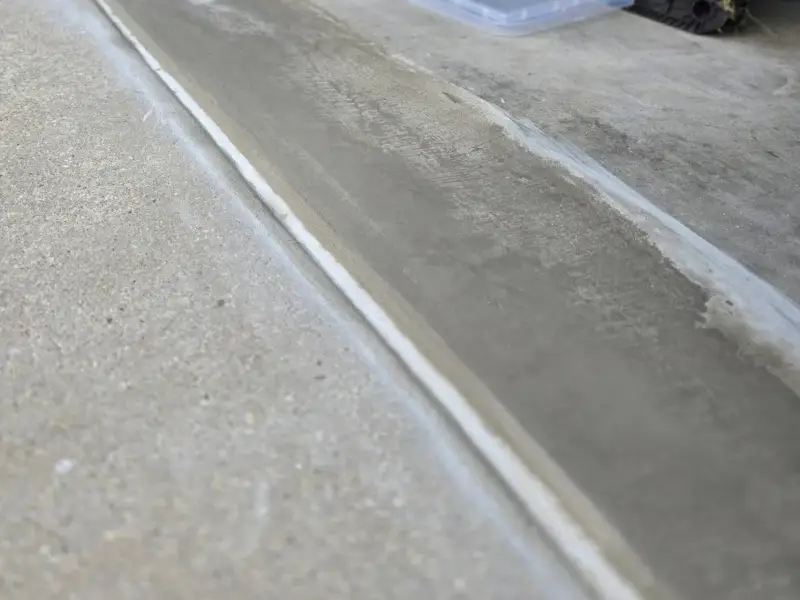
Those are good news. A control joint is a groove cut or tooled into the slab so that when it cracks, it cracks there, in a straight line. A crack at the bottom of a joint means the joint did its job. These joints should still be sealed so water does not run down through them and wash out the base.

What does crack repair cost?

It is priced mostly by the length and width of the cracks and how much prep they need. A few cracks on a driveway is a small job. See our concrete repair cost guide for the other factors. Estimates are free and in writing.

For cracks on a driveway, also see concrete driveway repair. After the repair, concrete sealing helps keep water out of the rest of the slab.
How it works

Simple from first call to finished job

  1. 1

    Call, text, or send the form

    Tell us what is going on with your concrete, or text a photo. We reply within 1 business day.

  2. 2

    Get a clear written estimate

    We look at the cracks, the surface and what is going on under the slab, then give you a written, itemized price.

  3. 3

    We do the work and clean up

    We book a date, make the repair, clean up, and walk the finished work with you.

Before and after

Drag the slider to see the difference

Slide each photo to reveal the finished result.

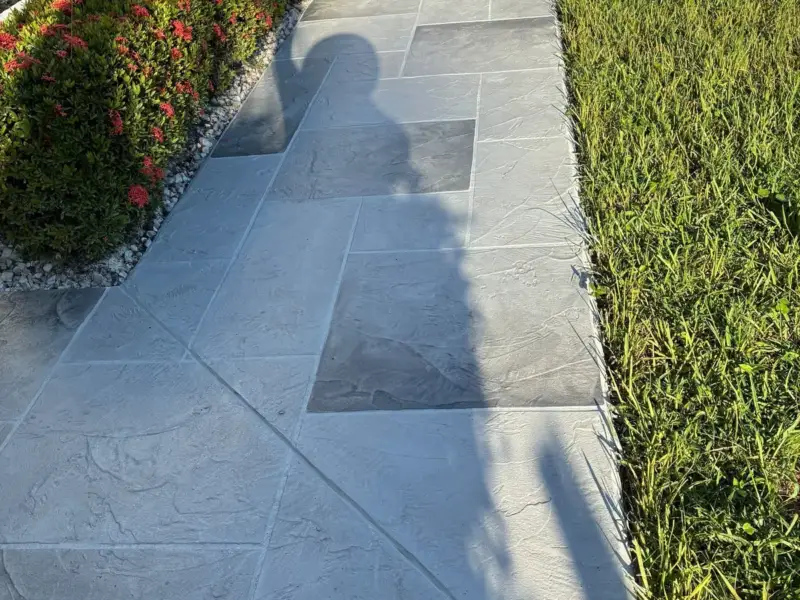
After: a stained, worn patio slab resurfaced with a new finish.
Before: a stained, worn patio slab resurfaced with a new finish.
Before After
A stained, worn patio slab resurfaced with a new finish.
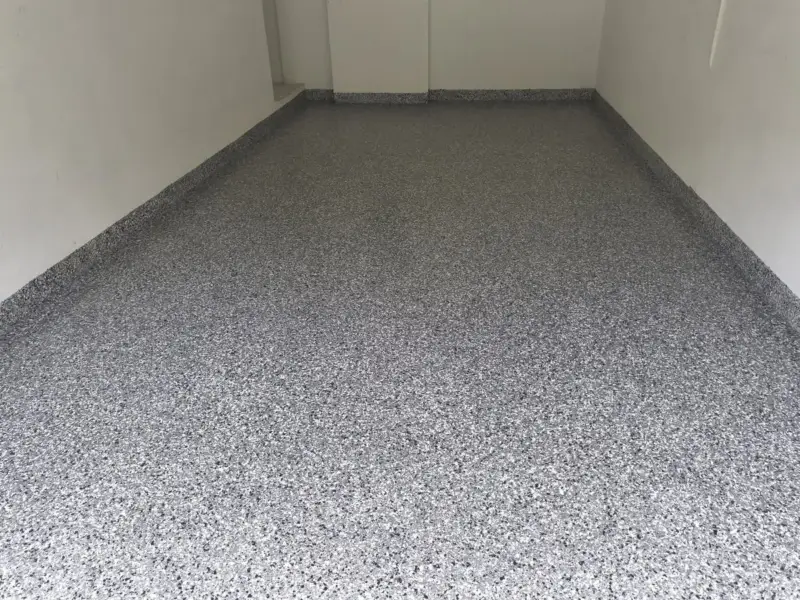
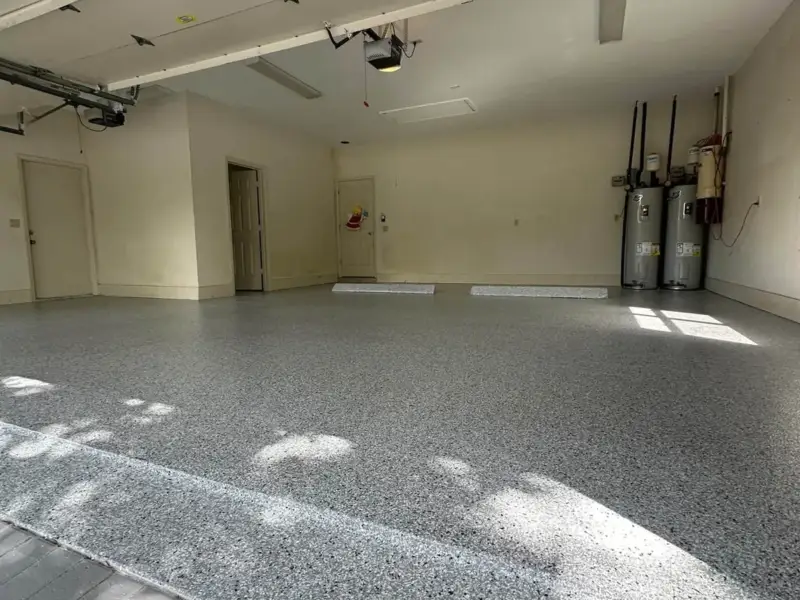
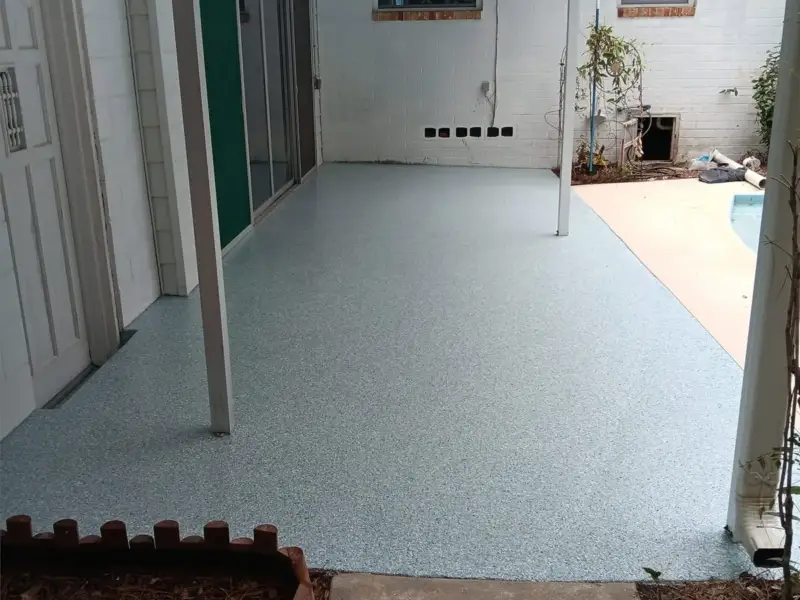
After: cracks filled first, then a full flake coating over the whole floor.
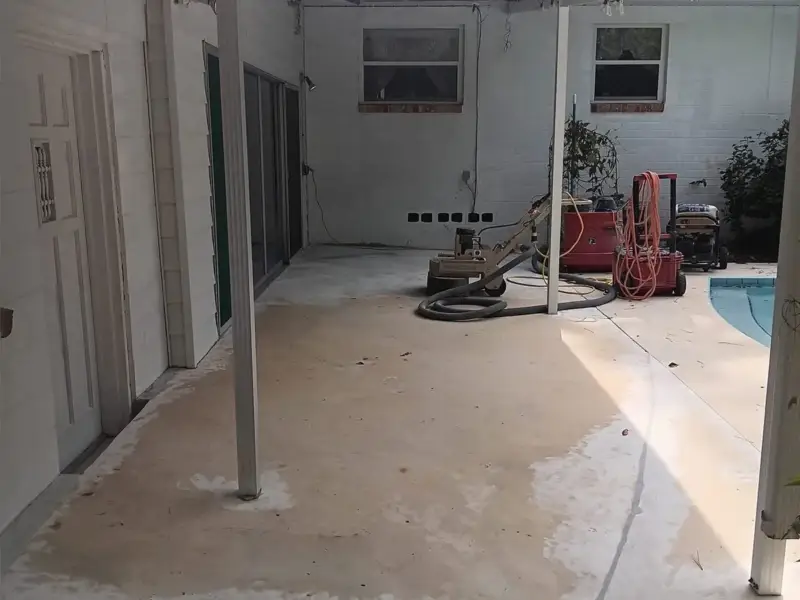
Before: cracks filled first, then a full flake coating over the whole floor.
Before After
Cracks filled first, then a full flake coating over the whole floor.
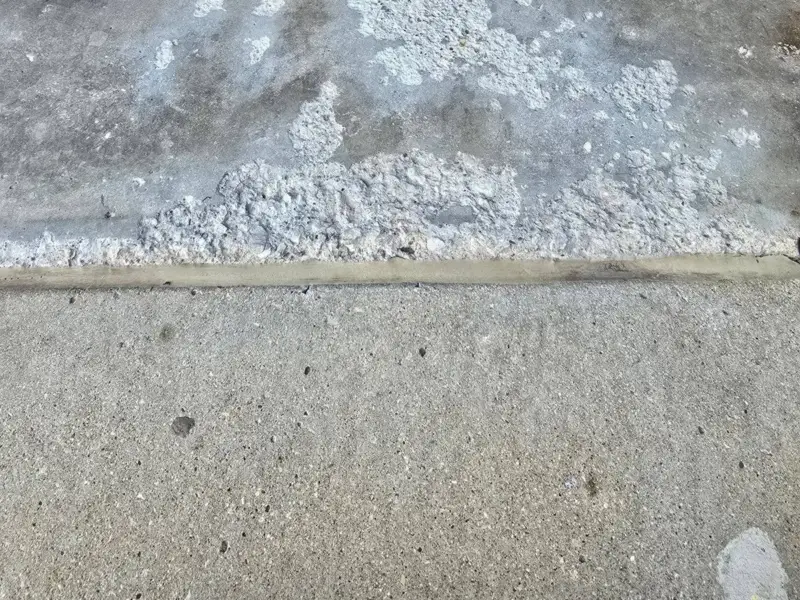
After: flaking, pitted concrete at a threshold cut out and patched smooth.
Before: flaking, pitted concrete at a threshold cut out and patched smooth.
Before After
Flaking, pitted concrete at a threshold cut out and patched smooth.

See more before & after projects

Related services

More ways we can help

All services

Free estimate

Get a written quote from Fort Lauderdale Concrete Repair

Tell us what is going on and we will get you a written, itemized quote, usually within 1 business day. No pressure, no spam.

  • No obligation
  • Free Written Estimates
  • Repair Before Replace
  • Replies Within 1 Business Day

Or call us directly: (954) 466-2820

No obligation

Request a callback

Tell us about your project. We reply within 1 business day.

Free Written Estimates · Repair Before Replace · Replies Within 1 Business Day · No spam

Or call us directly: (954) 466-2820

Questions from Fort Lauderdale homeowners

Concrete Crack Repair FAQs

Straight answers to what Fort Lauderdale homeowners ask us most. Don't see yours? Call or text and a real person will answer.

Still have a question?

(954) 466-2820 Or text us a photo
Can all concrete cracks be repaired?
Most can be filled and sealed. What a repair cannot do is stop a slab from moving. If the ground under it is still shifting, the crack may reopen or a new one may form beside it.
What is the best filler for concrete cracks?
It depends on the crack. Moving cracks need a flexible sealant. Stable cracks can take a rigid epoxy or polymer repair mortar. Hardware store caulk is rarely the right answer for a driveway.
Are hairline cracks in a new slab normal?
Yes. Fine shrinkage cracks are common in the first months and usually harmless. If they are wide, uneven or keep growing, have them looked at.
Should I fill cracks before sealing my driveway?
Yes. Sealer protects the surface but does not bridge open cracks. Fill the cracks first, then seal.
Why does my garage floor have a crack across the middle?
Garage slabs often crack near the center where a control joint should have been. If both sides are level and it is not growing, it is usually a simple repair before a coating.
Can a crack be a trip hazard?
It can when one side has lifted. Small lips can sometimes be ground down. Larger ones mean the section should be replaced.
Do rust stains along a crack mean something?
Often they mean the steel inside the concrete is rusting. That needs more than crack filler. Have it checked before pieces start to break away.
How long does a crack repair take?
Most home crack repairs are done in a day. You can usually walk on the area the next day and drive on it soon after, depending on the material.

Didn't see your question?

Call or text us. A real person answers, and estimates in Fort Lauderdale are free.

(954) 466-2820