On this page
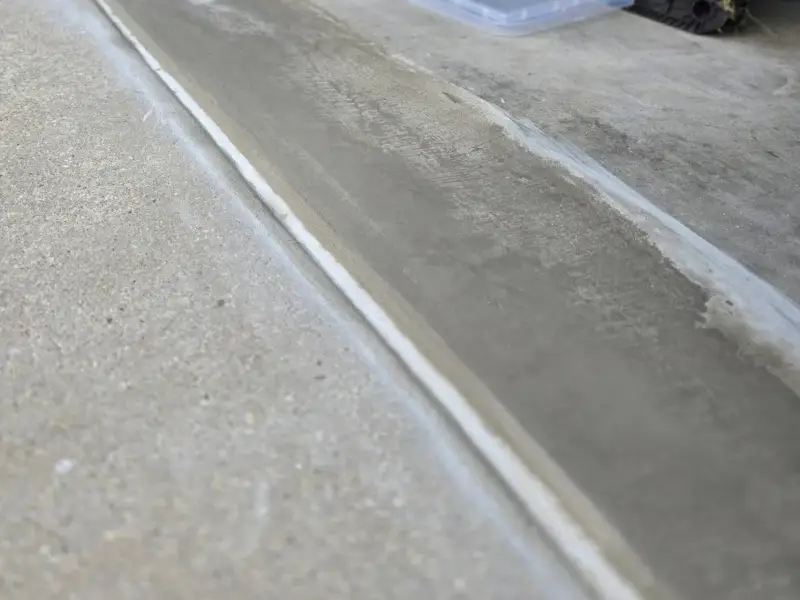
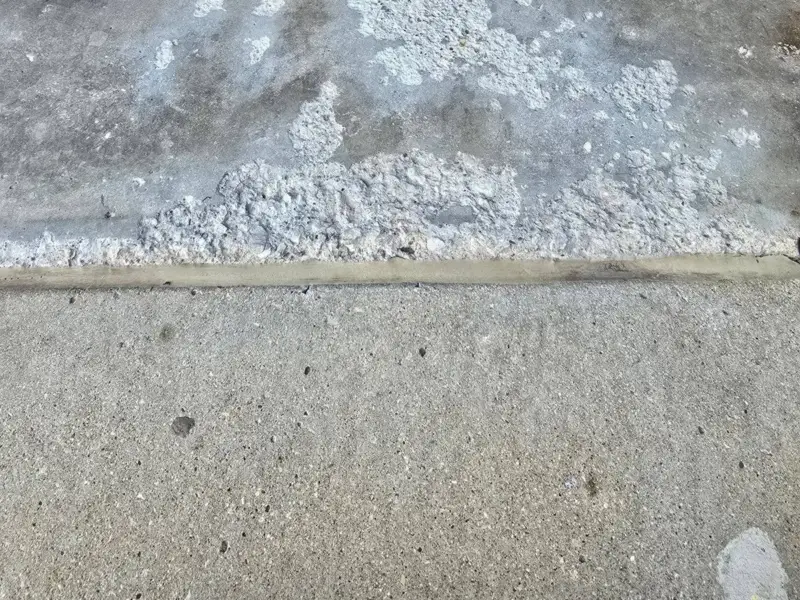
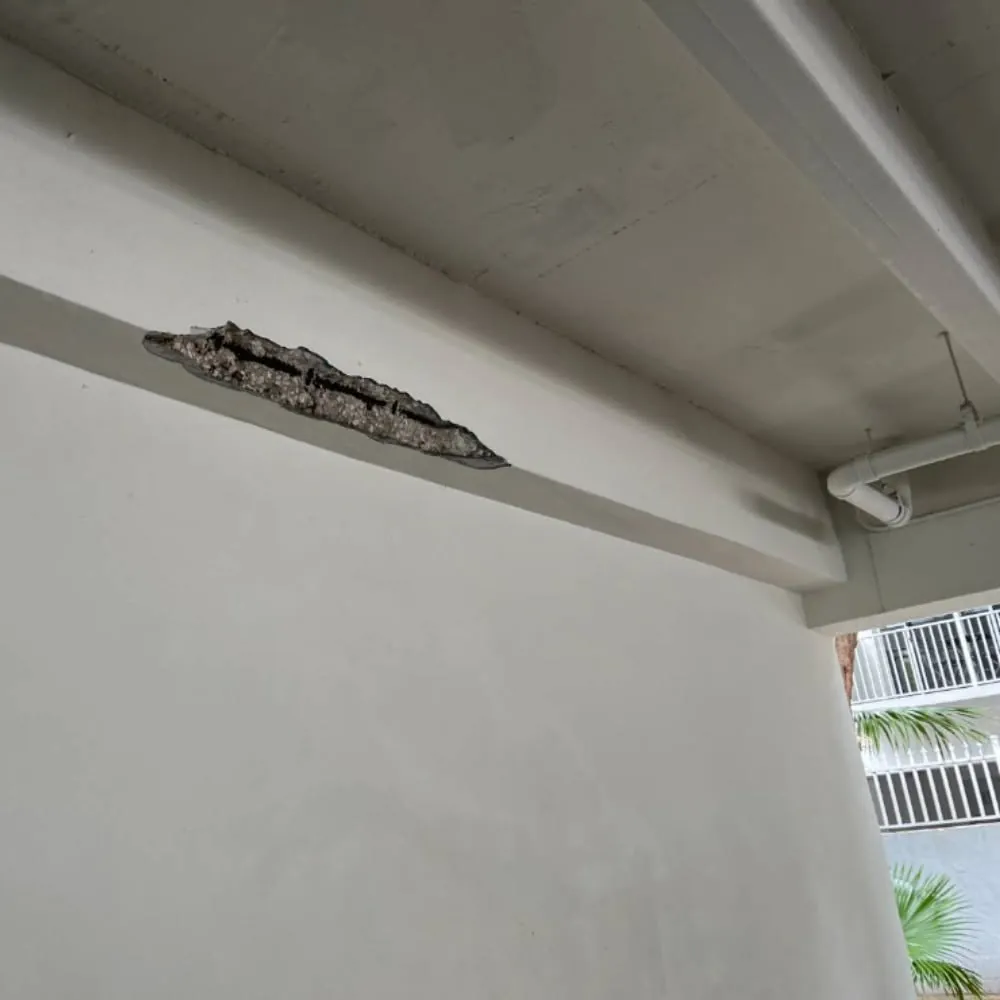
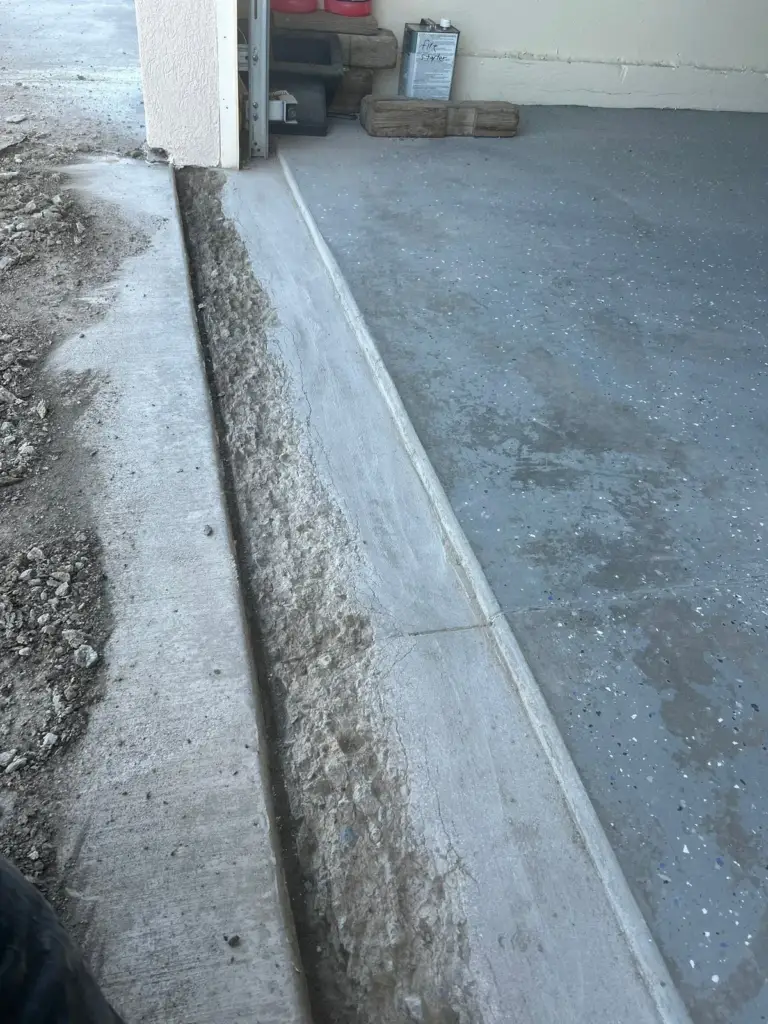
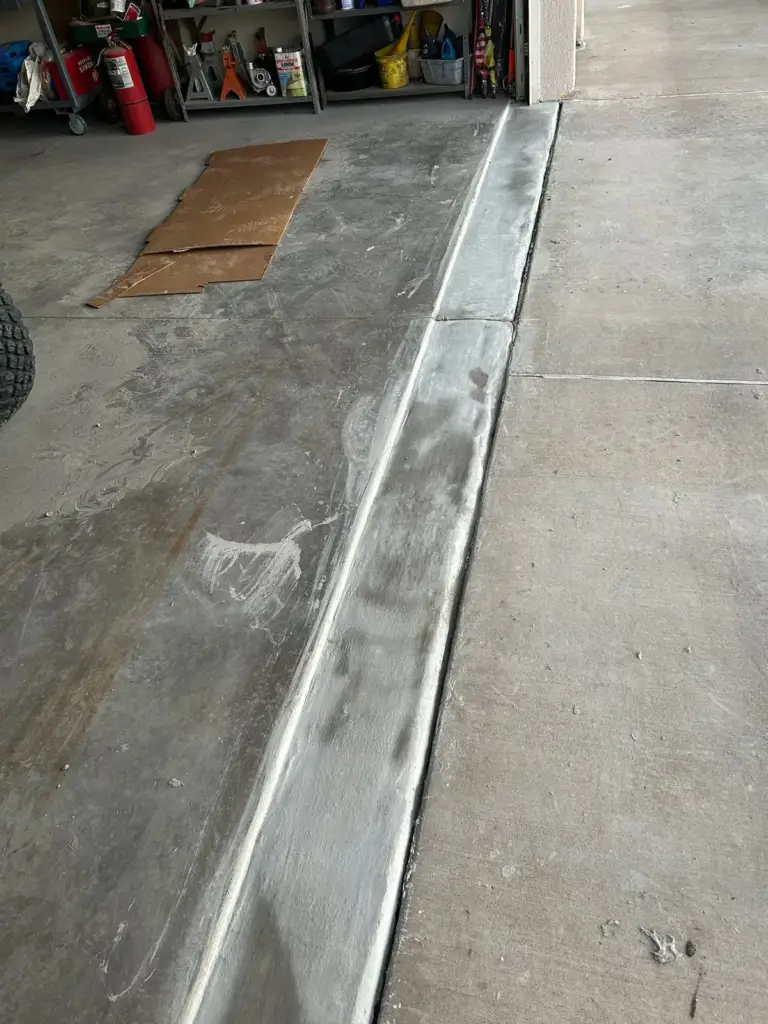
If you live near the water, you have seen it. A garage threshold that is crumbling at the edge. A carport beam with a chunk missing and a rusty bar showing. A step with its corner gone. That is spalling, and it does not fix itself. It gets a little worse every year until it is repaired.
Spalling concrete repair in Fort Lauderdale
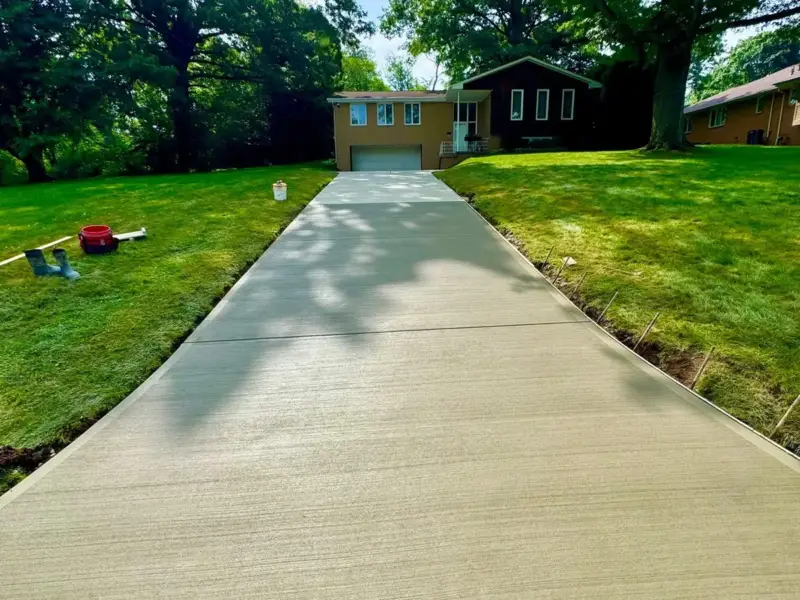
We repair spalling on garage floors and thresholds, carports, driveways, steps, walkways, slab edges and low walls. The goal is always the same: get back to solid concrete, deal with the rusting steel, and rebuild the surface so water and salt cannot get back in.
What causes concrete to spall in South Florida?
Up north, spalling comes from freezing water and road salt. Here the cause is different.
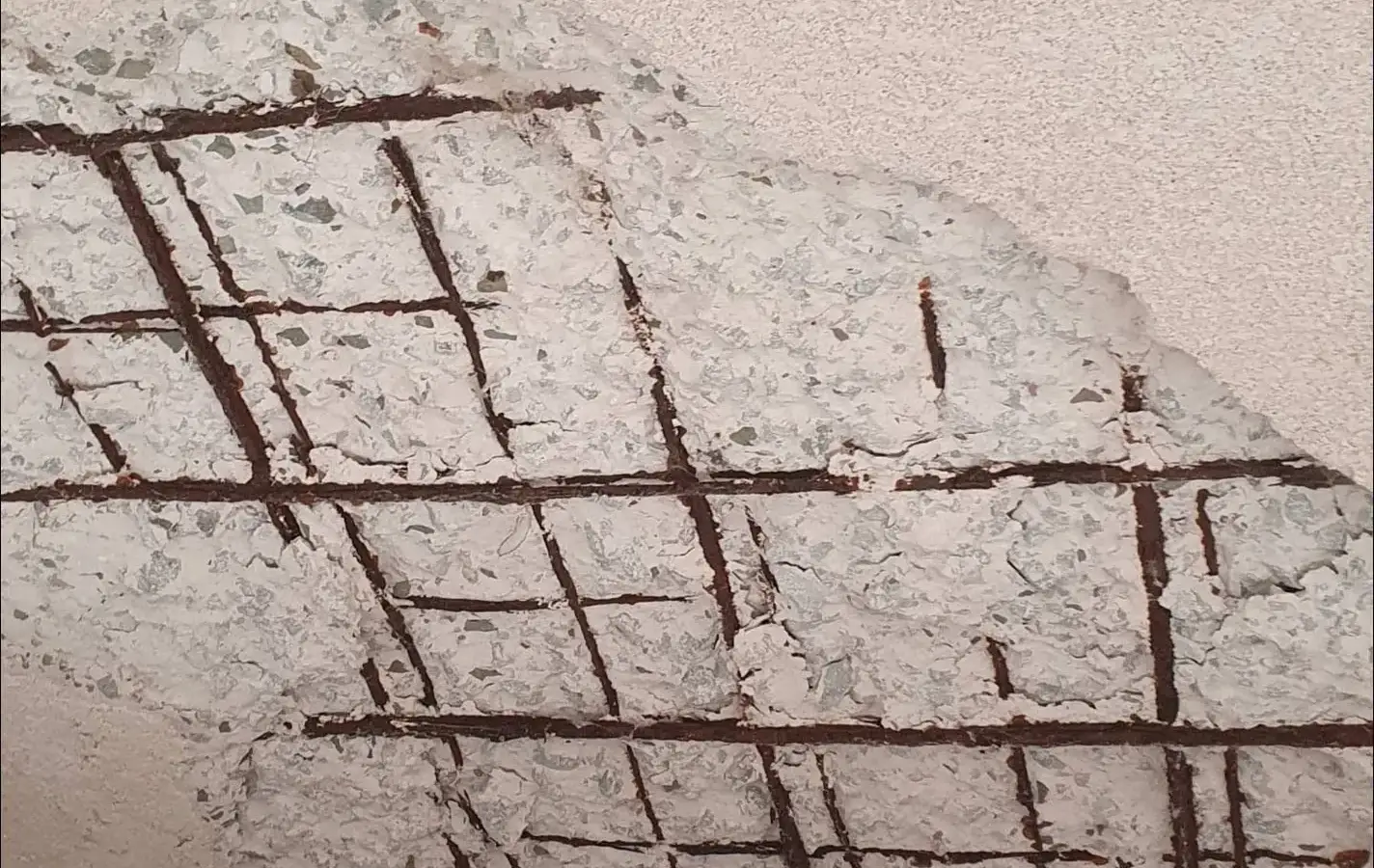
Concrete has steel bars or wire mesh inside it for strength. Fresh concrete protects that steel. Over the years, salt from sea air, sea spray and sometimes from the original sand and water works its way in. Moisture follows. When salt and moisture reach the steel, it rusts. Rust takes up several times more space than the steel it came from, so it pushes outward with great force. The concrete over it cracks, lifts and falls away.
Other causes we see:
- Steel placed too close to the surface when the concrete was poured
- A weak, watery mix or a surface that was finished too wet
- Standing water at thresholds and low spots
- Pressure washing too hard, too close
How do I know if my concrete is spalling?
Look for these signs:
- The surface is flaking or scaling off in thin layers
- Pits and shallow craters that keep growing
- Rust stains bleeding through the concrete
- Cracks that run in a line above a steel bar
- A hollow sound when you tap the area
- Chunks coming loose with steel visible behind them
How is spalling concrete repaired?
1. We tap the area to find how far the loose concrete goes. It is nearly always bigger than it looks. 2. We remove all the loose and weak concrete until we reach solid material. 3. If steel is exposed, we clean the rust off it down to bright metal. 4. We coat the steel with a corrosion inhibiting primer. 5. We apply a bonding agent and rebuild the area with a repair mortar made for this work. 6. We finish the surface to match and seal it.
Skipping the steel is the reason patches fail. If mortar is packed over rusty steel, the rust keeps growing and pushes the patch off within a year or two.
Is spalling a structural problem?
It depends on where it is. Surface scaling on a driveway or a patio is a wear problem. Spalling on a beam, a column, a balcony or an elevated slab is different, because that concrete is holding something up. For those we recommend an engineer’s review before repair, and some of that work needs a permit. Condominiums and commercial buildings have their own inspection rules and usually work with restoration firms and engineers.
We focus on homes and smaller properties. If your problem is beyond a repair we should take on, we will tell you so.
Can spalled concrete be resurfaced?
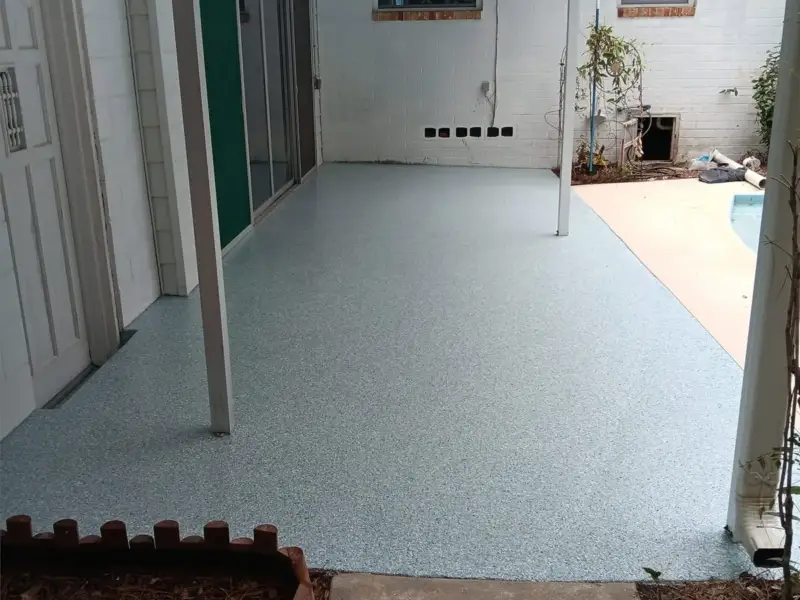
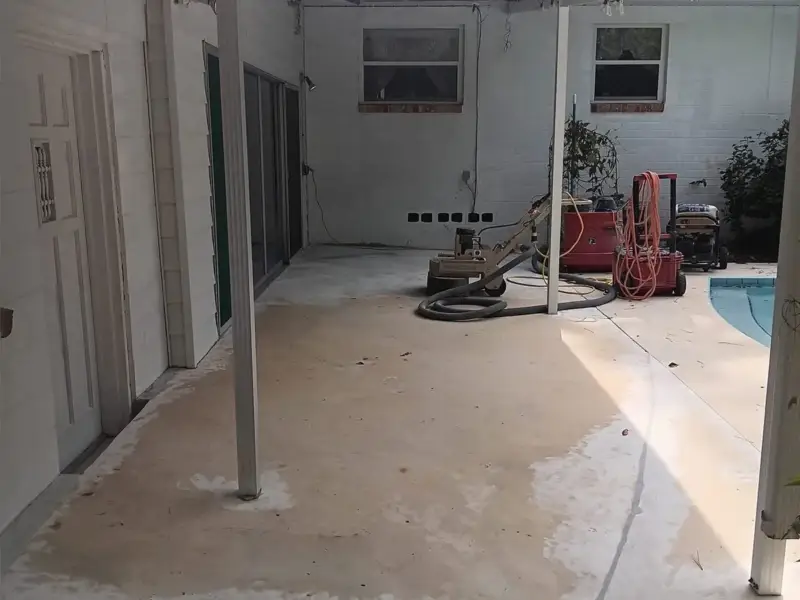
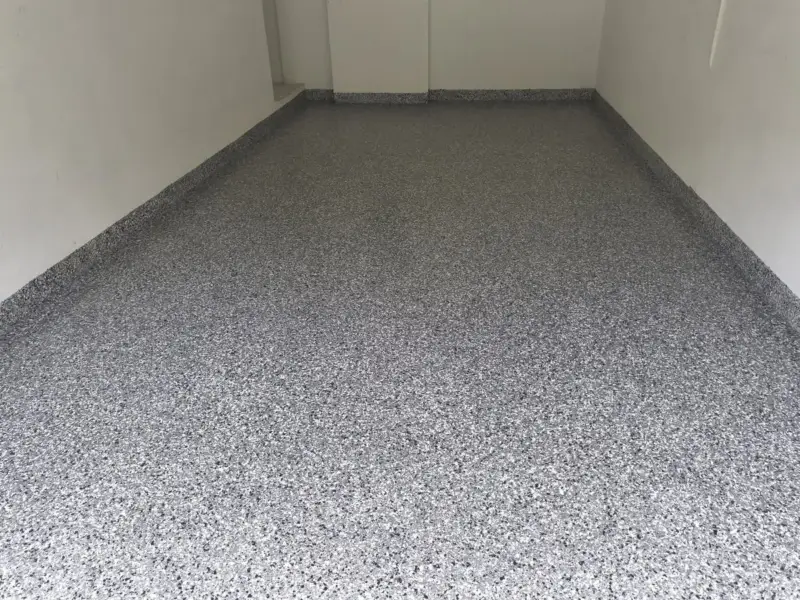
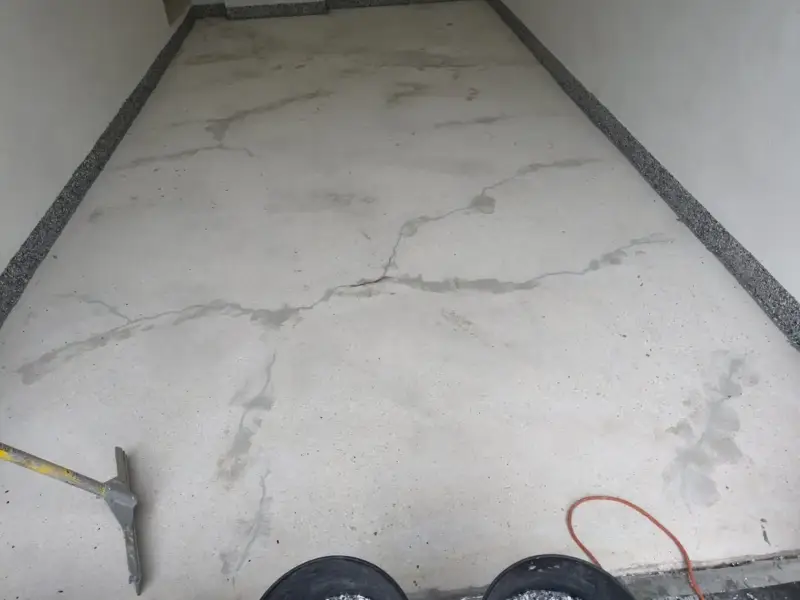
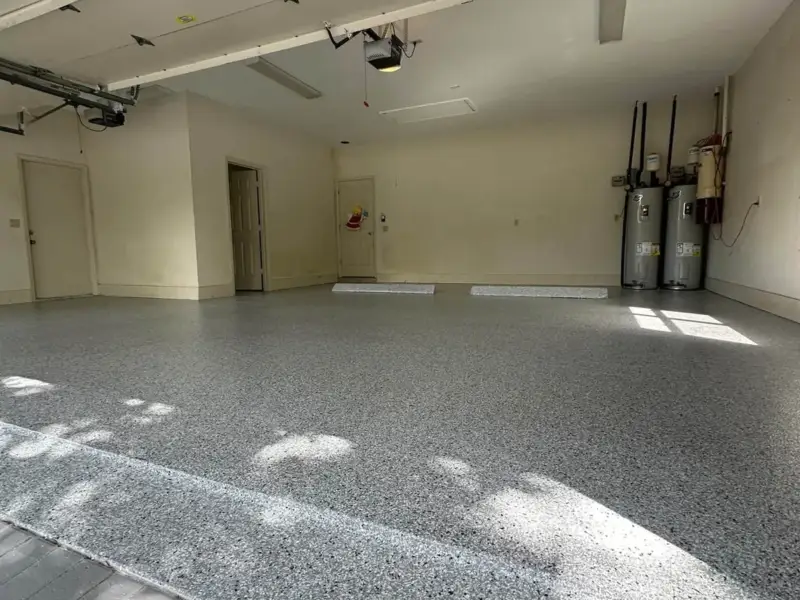
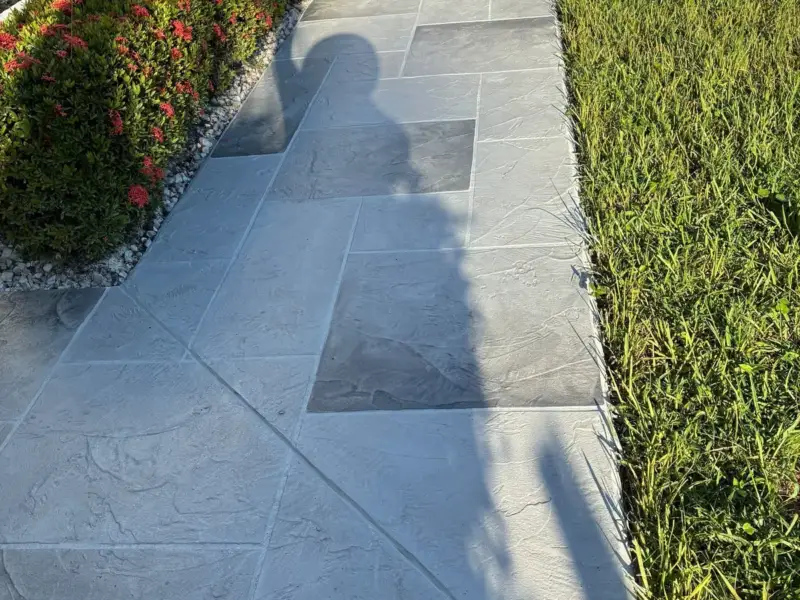
Yes, once the loose material is gone and the steel has been treated. For wide, shallow scaling on a slab, repair followed by concrete resurfacing gives a new, even surface. In a garage, a garage floor coating over the repaired slab also seals it against moisture.
How do you stop spalling from coming back?
You cannot remove the salt that is already in old concrete, but you can slow it down. Keep water from sitting on the slab. Seal the surface so less salt and moisture get in. Fix cracks early. Rinse salt spray off near the beach. After a repair, we finish with a sealer for that reason. Our concrete sealing page explains the options.
Where we see spalling most
The closer to the ocean and the Intracoastal, the more of it there is. Homes along the Galt Ocean Mile, in Harbor Beach, on the Las Olas Isles and in Lauderdale-by-the-Sea get the most salt. Older block homes with carports anywhere in the city can have it too, especially at the bottom of columns and along garage door thresholds where water sits.
How fast does spalling spread?
Slowly at first, then faster. Once the concrete over a rusting bar has cracked, water and salt reach the steel easily, the rust grows quicker, and more concrete lets go. A spot the size of your hand can become several feet long over a few rainy seasons. Early repair is smaller, cheaper and easier to blend in.
Why not just fill it with regular concrete?
Regular concrete does not stick well to old concrete in a thin layer, and it shrinks as it cures, so a plain patch tends to crack around the edges and come loose. Repair mortars are made for this job. They contain polymers that help them bond, they shrink very little, and many are designed to slow corrosion. Used with a bonding agent on a clean, sound surface, they stay put.
What should I do while I wait for a repair?
Keep people from tripping on loose pieces, and keep clear of anything spalling overhead. Do not pick at it or pressure wash it hard. If you can, keep water from sitting on the area. Take a few photos so we can see how far it has spread, and text them to us.
What does spalling repair cost?
It depends on how deep and how wide the damage goes and whether steel is involved. Because the damaged area is usually larger than what you can see, we look in person before pricing. See our concrete repair cost guide for more.